Books › Curious

Curious
400 pages
An urgent, intellectually stimulating wake-up call about the difference between easily googled facts and the deep, empathetic quest for true understanding.
What it feels like
Reading this book feels like stepping back from the endless scroll of the internet to take a deep, clarifying breath. It offers a steady, intellectually stimulating journey through psychology and social history, challenging the comforting illusion that having information at our fingertips makes us knowledgeable. The tone is both analytical and urgent, wrapping a cautionary critique of our wired world inside an earnest plea for empathy and genuine exploratory behavior. The prose is clear and persuasive, carefully dismantling our reliance on quick answers to reveal the profound human value of asking better questions. It is a perfect fit for readers who crave thoughtful cultural critiques and want to reclaim their innate drive to deeply understand the world around them.
- Mood
- intellectually stimulating
- reflective
- cautionary
- Tone
- urgent
- analytical
- thought-provoking
- earnest
- Pace
- steady
- Themes
- the illusion of knowledge · the value of deep understanding · technology's impact on empathy · cultivating exploratory behavior
- The writing
- Clear and persuasive, blending scientific research with social history and cultural observation to build a compelling argument.
- The arc
- Moves from a cautionary critique of our modern digital complacency to an inspiring, urgent call to reclaim our innate human drive for deep understanding.
- Who it's for
- Readers who enjoy pop-psychology and cultural critiques that challenge their everyday habits and digital consumption.
About the book
Today it seems we have the world at our fingertips. Thanks to smartphones and tools such as Google and Wikipedia, we're able feed any aspect of our curiosity instantly. But does this mean we are actually becoming more curious? Absolutely not. In Curious, Ian Leslie argues that true curiosity-the sustained quest for understanding that begets insight and innovation-is becoming increasingly difficult to harness in our wired world. We confuse ease of access to information with curiosity, and risk losing our ability to ask questions that extend our knowledge gap rather than merely filling it. Worst of all, this decline in curiosity has led to a decline in empathy and our ability to care about those around us. Combining the latest science with an urgent call to cultivate curious minds, Curious draws on psychology, social history, and popular culture to show that being deeply curious is our only hope when it comes to solving current crises-as well as an essential part of being human.
Description from Open Library.
Books like Curious
See why they match How we learnBenedict CareyA reassuring, science-backed permission slip to stop cramming and start letting your brain learn the way it actually wants to.
 How to break up with your phoneCatherine PriceA pragmatic, guilt-free intervention for your digital life that feels like a deep breath of fresh air for your attention span.
 The World Beyond Your HeadMatthew B. CrawfordA philosophically rigorous and deeply tactile defense of paying attention to the physical world in an era of digital fragmentation.
 You're Not ListeningKate MurphyA gentle but firm wake-up call that transforms how you experience every conversation you have.
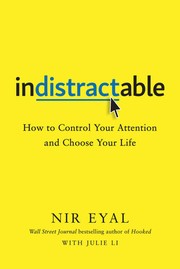 IndistractableNir EyalA practical, empowering toolkit for silencing the noise and reclaiming your most valuable resource: your attention.
 DataclysmChristian RudderA witty, voyeuristic peek into the collective human psyche through the unfiltered lens of our internet search histories and dating profiles.