Books › Cutting

Cutting
First published 1998 · 275 pages
A compassionate, clinical deep-dive into the isolating pain of self-harm and the structured path toward healing.
What it feels like
Reading this book feels like sitting in the office of a deeply empathetic therapist who is patiently untangling a complex and painful psychological knot. The pace is steady and deliberate, grounding the reader in a heavy, somber mood that is ultimately pierced by rays of genuine hope. Through accessible, earnest prose, the narrative blends clinical insight with deeply humanizing case studies, making the clinical feel personal. It is an emotionally weighty experience that moves from the isolating depths of trauma toward the restorative power of trust and connection. This is a vital read for anyone seeking to understand the profound pain of self-harm and the compassionate, structured journey toward recovery.
- Mood
- heavy
- somber
- hopeful
- introspective
- Tone
- clinical
- compassionate
- earnest
- informative
- urgent
- Pace
- steady
- Themes
- understanding psychological pain · the therapeutic process · overcoming trauma · building interpersonal trust · the isolation of mental illness
- The writing
- Clear, accessible, and empathetic, balancing clinical terminology with deeply humanizing case studies.
- The arc
- Moves from the dark, isolating depths of psychological distress toward a structured, compassionate framework for healing and connection.
- Who it's for
- Readers seeking to understand the psychological underpinnings of self-harm, whether for personal healing, supporting a loved one, or professional curiosity.
Content notes
- self-harm
- suicidal ideation
- mental illness
- trauma
- medical descriptions of injury
About the book
Known as the illness of the 1990s, close to two million Americans and possibly more suffer from the psychological disorder of self-mutilation. The most prominent public admission was that of Princess Diana.
Written for the self-mutilator, parents, friends, and therapists, Levenkron unravels step by step the mindset of the self-mutilator, explains why the disorder manifests in self-harming behaviors, and, most of all, describes how the self-mutilator can be helped.
Through riveting case studies and conversations with his patients, the profile of the self-mutilator emerges: someone who is typically fearful of people and abandonment, whose attachments are hostile or tenuous at best, who lacks interpersonal trust, and who often can't stay focused in a relationship of any depth.
Cutting tells the reader where to turn for help and offers important skills the self-mutilator must learn - what Levenkron calls the "Attachment-Dependency Trust Axis" - in order to overcome the affliction.
Description from Open Library.
Books like Cutting
See why they match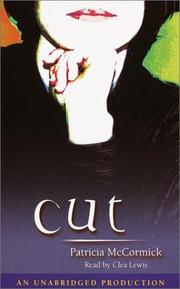 CutPatricia McCormickA quiet, piercing look inside a fractured mind slowly finding the courage to speak.
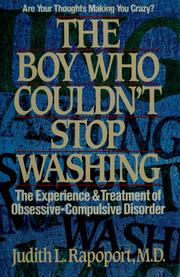 The boy who couldn't stop washingJudith L. RapoportA compassionate and eye-opening journey into the hidden, agonizing world of obsessive-compulsive disorder and the dawn of its modern treatment.
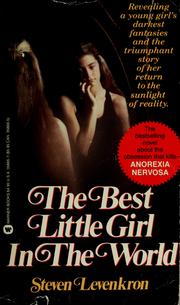 The best little girl in the worldSteven LevenkronA claustrophobic and urgent psychological portrait of a teenager's desperate quest for control.
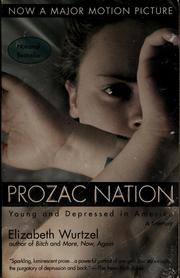 Prozac nationElizabeth WurtzelA torrential, unapologetic plunge into the messy, chaotic reality of coming of age under the crushing weight of clinical depression.
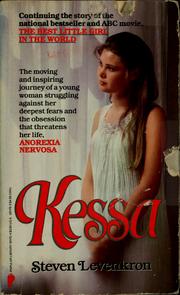 KessaSteven LevenkronAn earnest, psychologically grounded journey into the mind of a teenager navigating the difficult path of eating disorder recovery.
 Diana, Her True StoryAndrew MortonA shattering of the ultimate modern fairy tale that pulls you into the claustrophobic reality of life inside a gilded cage.