Books › D-Day, June 6, 1944

D-Day, June 6, 1944
The Climactic Battle of World War II
962 pages
A gripping, ground-level immersion into the chaos and courage of the twentieth century's most pivotal twenty-four hours.
What it feels like
Reading this book feels like standing shoulder-to-shoulder with the citizen-soldiers who stormed the beaches of Normandy. It is a steady, deeply immersive experience that trades dry strategic overviews for the visceral, chaotic reality of combat. The narrative is built on a chorus of voices—from terrified privates to burdened generals—creating an atmosphere that is both harrowing and profoundly moving. The prose is clear and urgent, carrying you through the agonizing anticipation of the channel crossing into the deafening roar of the landings. It is a heavy, emotionally taxing read, yet undeniably gripping. This book will deeply satisfy readers who want history to feel alive, honoring the monumental sacrifices of ordinary men thrust into the crucible of war.
- Mood
- tense
- harrowing
- chaotic
- somber
- Tone
- reverent
- authoritative
- urgent
- empathetic
- Pace
- steady
- Themes
- chaos of combat · ordinary men in extraordinary circumstances · weight of leadership · sacrifice and survival
- The writing
- Clear, journalistic, and deeply human, seamlessly weaving grand strategic overviews with gritty, ground-level oral histories.
- The arc
- Moves from agonizing anticipation and chaotic terror to a sobering, hard-won sense of monumental achievement.
- Who it's for
- History buffs and readers who crave immersive, character-driven accounts of monumental historical events told from the ground up.
Content notes
- graphic war violence
- death and dying
- combat trauma
- blood and gore
About the book
On the basis of 1,400 oral histories from the men who were there, Eisenhower biographer and World War II historian Stephen E. Ambrose reveals for the first time anywhere that the intricate plan for the invasion of France in June 1944, had to be abandoned before the first shot was fired.
The true story of D-Day, as Ambrose relates it, is about the citizen soldiers - junior officers and enlisted men - taking the initiative to act on their own to break through Hitler's Atlantic Wall when they realized that nothing was as they had been told it would be.
This is a brilliant telling of the battles of Omaha and Utah beaches, based on information only now available, from American, British, Canadian, French, and German veterans, from government and private archives, from never before utilized sources on the home front, gathered and analyzed by the author, who has made D-Day his life work. Ambrose's first interview was with General Eisenhower in 1964, his last with paratroopers from the 101st Airborne in 1993.
Called the premier American narrative and military historian, Ambrose explains the most important day of the twentieth century.
The action begins at midnight, June 5/6, when the first British and American airborne troops jumped into France to launch the invasion. It ends at midnight, June 6/7. Focusing on those pivotal twenty-four hours, this is the story of individuals rather than units. It moves from the level of Supreme Commander to that of a French child, from General Omar Bradley to an American paratrooper, from Field Marshal Montgomery to a British private, from Field Marshal Rommel to a German sergeant.
Ambrose covers the politics of D-Day, from Churchill's resistance to the operation to Stalin's impatience and Roosevelt's concern. On the other side were Hitler's command structure, German policy, and the plot against the Fuhrer.
This is the epic victory of democracy in winner-take-all combat. When Hitler declared war on the United States, he bet that the young men brought up in the Hitler Youth would outfight the Boy Scouts. Ambrose shows how wrong he was.
Description from Open Library.
Books like D-Day, June 6, 1944
See why they match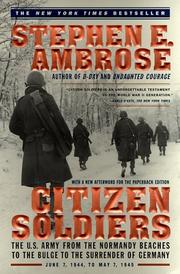 Citizen SoldiersStephen E. AmbroseAn immersive, ground-level march through the grueling final year of WWII, told through the voices of the ordinary men who lived it.
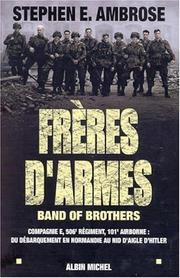 Band of BrothersStephen E. AmbroseA gritty, deeply humanizing immersion into the crucible of war and the unbreakable bonds it forges among ordinary men.
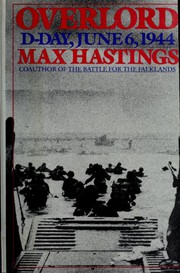 OverlordMax HastingsA gritty, unvarnished plunge into the mud and blood of the Normandy campaign that strips away the myth to reveal the harrowing reality of war.
 Landing BeachesJean QuellienA visually rich, reverent journey through the hallowed geography of the Normandy landings.
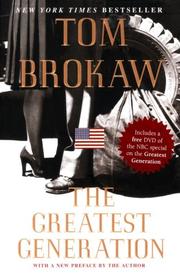 The Greatest GenerationTom BrokawA reverent tapestry of ordinary lives shaped by extraordinary historical crucibles.
 The Guns at Last LightRick AtkinsonA sweeping, cinematic immersion into the final, brutal year of the European war that balances the grand strategy of generals with the mud-soaked terror of the infantry.