Books › Danse Macabre

Danse Macabre
First published 1982 · 687 pages
A cozy, conversational masterclass on the mechanics of fear, delivered by a legendary storyteller sitting right across the table.
What it feels like
Reading this feels like pulling up a chair in a dimly lit, book-lined study while a master storyteller pours you a drink and talks late into the night. The pace is delightfully meandering, full of folksy digressions, personal anecdotes, and sharp critical insights into the horror genre. It is less a rigid academic text and more a passionate, nostalgic love letter to the macabre in all its forms, from B-movies and radio plays to literary classics. The mood is surprisingly cozy despite the subject matter, wrapping the reader in a warm blanket of shared pop-culture obsession. It will thoroughly delight horror aficionados, aspiring writers, and anyone fascinated by the psychological catharsis of a really good scare.
- Mood
- cozy
- reflective
- eerie
- accessible
- Tone
- conversational
- nostalgic
- enthusiastic
- wry
- analytical
- Pace
- meandering
- Themes
- the mechanics of fear · cultural anxieties · nostalgia for mid-century pop culture · the catharsis of terror · the evolution of horror
- The writing
- Folksy, highly digressive, and warmly conversational, blending sharp critical analysis with the cadence of a campfire storyteller.
- The arc
- Begins with a warm, nostalgic look at childhood frights and expands into a deep, satisfying appreciation for the psychological necessity of horror.
- Who it's for
- Horror aficionados, aspiring writers, and pop-culture nerds who want to sit down with a master and dissect why we love things that go bump in the night.
Content notes
- discussions of horror tropes
- descriptions of violence in media
- spoilers for classic horror
About the book
This is a non-fiction study of the horror genre including books, movies, television, etc.
Description from Open Library.
Books like Danse Macabre
See why they match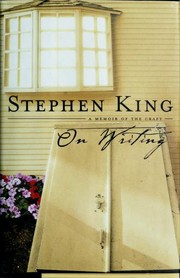 On WritingStephen KingPull up a chair and listen to a master storyteller demystify the magic of the written word while baring his own scars.
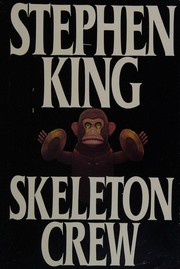 Skeleton crewStephen KingA relentless descent into the dark corners of the American imagination, where everyday objects and quiet towns harbor unspeakable nightmares.
 Paperbacks from HellGrady HendrixA gleeful, blood-spattered love letter to the gloriously unhinged era of vintage mass-market horror.
 Prime EvilDouglas E. WinterA dread-soaked anthology that pulls the reader through a gallery of 20th-century nightmares.
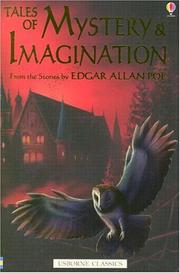 The Fall of the House of Usher and Other TalesEdgar Allan PoeA masterclass in atmospheric dread and the dark corners of the human psyche.
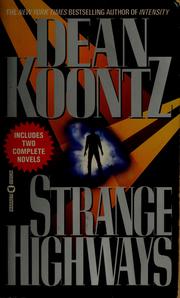 Strange HighwaysDean Ray KoontzA twilight journey through the eerie and the macabre, where ordinary people are forced to confront their deepest regrets and darkest fears.