Books › Darwin's dangerous idea
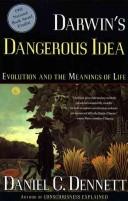
Darwin's dangerous idea
evolution and the meanings of life
First published 1995 · 690 pages
An intellectually dizzying journey that uses a single biological concept to dismantle and rebuild your understanding of meaning itself.
What it feels like
Reading this book feels like stepping into a vast, brilliantly lit laboratory of the mind. The pace is steady and deliberate, guiding you through dense philosophical thickets with the help of vivid, playful metaphors and sharp thought experiments. The mood is expansive and intellectually dizzying, as the narrative acts like a universal acid, eating through comforting illusions about design, purpose, and human exceptionalism. Yet, rather than leaving you in a void of nihilism, it builds a profound, awe-inspiring appreciation for the algorithmic beauty of the universe. It is a deeply provocative, confident read that will delight curious skeptics, armchair philosophers, and anyone who loves the thrill of having their worldview systematically dismantled and masterfully reassembled.
- Mood
- intellectually stimulating
- expansive
- awe-inspiring
- Tone
- provocative
- lucid
- conversational
- confident
- rigorous
- Pace
- steady
- Themes
- the illusion of design · meaning without a creator · the universal acid of evolution · algorithmic nature of reality · humanity's place in the cosmos
- The writing
- Lucid and metaphor-heavy, blending conversational accessibility with dense philosophical rigor and vivid thought experiments.
- The arc
- Begins with a deceptively simple biological premise and expands outward, leaving the reader with a dizzying, awe-struck appreciation for a universe built without a designer.
- Who it's for
- Armchair philosophers and science enthusiasts who relish having their fundamental assumptions dismantled and rebuilt by a master debater.
Content notes
- existential themes
- challenges to religious beliefs
About the book
In this groundbreaking and very accessible book, Daniel C. Dennett, the acclaimed author of Consciousness Explained, demonstrates the power of the theory of natural selection and shows how Darwin's great idea transforms and illuminates our traditional view of our place in the universe.
Following Darwinian thinking to its logical conclusions is a risky business, with pitfalls for everybody. Creationists and others who reject evolution are not the only ones to fall into the traps. Many who accept the validity of Darwin's conclusions hesitate before their implications and distort his theory, fearful that it is politically incorrect or antireligious, or that it robs life of all spirituality.
Dennett explains the scientific theory of natural selection in vivid terms, and shows how it extends far beyond biology.
Description from Open Library.
Books like Darwin's dangerous idea
See why they match From Bacteria to Bach and Back: The Evolution of MindsDaniel C. DennettA sweeping, cerebral exploration of how mindless biological processes gave rise to the breathtaking complexity of human consciousness.
 Breaking the spellDaniel C. DennettA methodical, clear-eyed dissection of humanity's oldest and most fiercely protected cultural phenomenon.
 Why evolution is trueJerry A. CoyneA masterclass in scientific clarity that leaves you marveling at the magnificent, undeniable reality of the natural world.
 The Ape that Understood the UniverseSteve Stewart-WilliamsAn expansive, intellectually stimulating exploration of how a biological primate developed the capacity to ponder its own existence.
 The Ancestor's TaleRichard DawkinsA majestic, backward-marching pilgrimage through deep time that reveals the profound interconnectedness of all living things.
 The Extended PhenotypeRichard DawkinsA rigorous, mind-expanding journey that completely rewires how you perceive the boundaries of living things.