Books › Das Schloß

Das Schloß
544 pages
A surreal, claustrophobic descent into a dreamlike world where rules are absolute but entirely incomprehensible.
What it feels like
Reading this novel feels like trying to run through waist-deep water in a dream. The pace is intentionally meandering, trapping you in a claustrophobic, snow-muffled village where every conversation spirals into maddening bureaucratic dead ends. The prose is deceptively lucid and precise, yet it constructs a labyrinth of absurd logic that leaves you constantly disoriented. There is a bleak, deadpan humor woven into the oppressive atmosphere, capturing the existential dread of seeking validation from an unreachable, indifferent authority. It is a deeply psychological experience, tracing a slow descent from determined agency into exhausted resignation. This is a masterpiece for readers who revel in surrealism, existential puzzles, and the uncanny sensation of being caught in an infinite, unsolvable loop.
- Mood
- claustrophobic
- surreal
- oppressive
- disorienting
- dreamlike
- Tone
- deadpan
- absurd
- detached
- bleakly comic
- Pace
- meandering
- Themes
- existential futility · bureaucratic absurdity · alienation · the illusion of control · unreachable authority
- The writing
- Deceptively lucid and precise, the sentences construct a labyrinth of absurd logic and endless qualifications.
- The arc
- A frustrating, circular descent from determined optimism into exhausted, bewildered resignation.
- Who it's for
- Readers who appreciate existential philosophy, dark absurdism, and the uncanny sensation of being trapped in an unsolvable puzzle.
Content notes
- psychological distress
- isolation
- gaslighting
About the book
The Castle (original title: "Das Schloß") is the story of K., the unwanted Land Surveyor who is never to be admitted to the Castle nor accepted in the village, and yet cannot go home. As he encounters dualities of certainty and doubt, hope and fear, and reason and nonsense, K.'s struggles in the absurd, labyrinthine world where he finds himself seem to reveal an inexplicable truth about the nature of existence. Kafka began The Castle in 1922 and it was never finished, yet this, the last of his three great novels, draws fascinating conclusions that make it feel strangely complete.
Description from Open Library.
Books like Das Schloß
See why they match Der ProceßFranz KafkaA suffocating descent into a bureaucratic labyrinth where logic is a weapon and guilt is assumed.
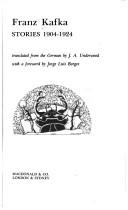 Short storiesFranz KafkaA claustrophobic descent into the absurdities of modern existence, where the mundane becomes terrifyingly surreal.
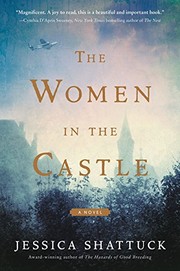 The women in the castleJessica ShattuckA propulsive, haunting exploration of three widows forging a makeshift family in the smoldering ruins of post-war Germany.
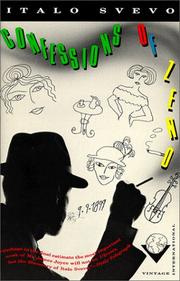 Confession of Zenoberyl-de-zoete-with-a-note-on-svevo-by-edouard-roditiA delightfully neurotic plunge into the mind of a man who can endlessly rationalize his own absurdities.
 Deserto dei tartariDino BuzzatiA haunting, slow-burn meditation on the quiet tragedy of waiting for a life that never quite begins.
 Die Vermessung der WeltDaniel KehlmannA wry, sparkling exploration of two eccentric geniuses trying to capture the infinite universe within the limits of their deeply flawed human lives.