Books › Dawn

Dawn
First published 1961 · 127 pages
A claustrophobic, nocturnal meditation on the moral cost of survival and the heavy ghosts of the past.
What it feels like
Reading this book feels like sitting in a dark, claustrophobic room while a clock ticks relentlessly toward an impossible dawn. It is a deeply nocturnal experience, steeped in a dread-soaked atmosphere where the ghosts of the past crowd the present. The narrative moves with a steady, agonizing inevitability, pulling the reader through a profound psychological and philosophical crisis. The prose is spare yet poetic, carrying the heavy, haunting weight of a dark fable. It is not a book of action, but of intense internal warfare, exploring the devastating moral compromises demanded by survival and the cyclical nature of violence. This is a profound, anguished read for those who appreciate morally complex, introspective literature that lingers long after the final page is turned.
- Mood
- claustrophobic
- dread-soaked
- nocturnal
- tense
- Tone
- somber
- philosophical
- anguished
- introspective
- Pace
- steady
- Themes
- moral compromise · ghosts of the past · cycle of violence · weight of survival · loss of innocence
- The writing
- The prose is spare, poetic, and heavily laden with spiritual inquiry, carrying the weight of a dark fable.
- The arc
- The narrative traces a slow, agonizing descent into moral darkness as a survivor wrestles with the ghosts of his past before committing an irreversible act.
- Who it's for
- Readers who seek intense, morally complex psychological dramas that grapple with the devastating aftermath of profound trauma.
Content notes
- murder
- Holocaust trauma
- psychological distress
- execution
- grief
About the book
Based on the novel l'Aube by Elie Wiesel adapted and translated by Daniel Banks, with passages from the English translation by Frances Frenaye. Fifth draft.
Description from Open Library.
Books like Dawn
See why they match La Nuit / L'Aube / Le JourElie WieselA devastating, essential descent into the darkest abyss of human history and the agonizing search for light in its aftermath.
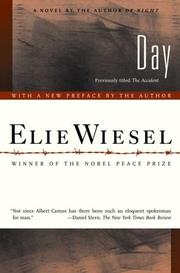 DayElie WieselA profound, haunting meditation on the agonizing choice between surrendering to the ghosts of the past and enduring the pain of the present.
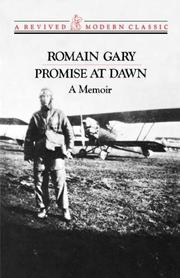 Promise at DawnRomain GaryA sweeping, deeply affectionate memoir of a fierce maternal bond that propels a young man through the adventures and trials of the twentieth century.
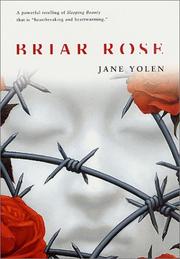 Briar RoseJane YolenA hauntingly beautiful exploration of how we use myth to mask, and ultimately reveal, the darkest truths of our history.
 I sommersi e i salvatiPrimo LeviA devastatingly lucid and urgent meditation on the moral complexities of survival and the fragility of human memory.
 Ich will Zeugnis ablegen bis zum letztenVictor KlempererA meticulous, dread-soaked diary that bears witness to the slow, suffocating creep of totalitarianism.