Books › De servo arbitrio

De servo arbitrio
470 pages
A weighty, resolute exploration of human limitation and the absolute sovereignty of divine grace.
What it feels like
Reading this foundational text feels like stepping into the heart of a historic theological crucible. The pace is steady and deliberate, demanding careful contemplation as it wrestles with the profound tension between human inability and divine sovereignty. The mood is solemn and reverent, anchored by an earnest, resolute tone that defends its doctrinal positions with unwavering conviction. It is a weighty, immersive experience that strips away illusions of self-reliance, guiding the reader toward a stark but ultimately grounding reliance on the grace of God. Devotional yet deeply analytical, this work will captivate readers who hunger for rigorous, historical explorations of justification, predestination, and the enduring debates of the Reformation.
- Mood
- contemplative
- reverent
- weighty
- solemn
- Tone
- resolute
- earnest
- doctrinal
- polemical
- Pace
- steady
- Themes
- divine sovereignty · human limitation · the nature of grace · justification by faith · predestination and foreknowledge
- The writing
- Extensive and foundational, delivering weighty theological arguments with a resolute focus on doctrinal truth.
- The arc
- Moves from a stark confrontation with human inability to a profound resting in the sovereignty of divine grace.
- Who it's for
- Readers seeking a deep, historical exploration of Reformation theology and the foundational debates surrounding grace and free will.
Content notes
- theological debate
About the book
The Bondage of the Will is fundamental to an understanding of the primary doctrines of the Reformation. In these pages, Luther gives extensive treatment to what he saw as the heart of the gospel. Free will was no academic question to Luther; the whole gospel of the grace of God, he believed, was bound up with it and stood or fell according to the way one decided it. Luther affirms our total inability to save ourselves and the sovereignty of divine grace in our salvation. He upholds the doctrine of justification by faith and defends predestination as determined by the foreknowledge of God. - Back cover.
Description from Open Library.
Books like De servo arbitrio
See why they match Systematic TheologyWayne GrudemA massive, methodical, yet surprisingly warm exploration of faith that bridges the gap between the seminary classroom and the devotional prayer closet.
 Here I standRoland Herbert BaintonA steady, well-documented journey through the life and convictions of a central figure in the Reformation.
 The ReformationDiarmaid MacCullochA sweeping, authoritative immersion into the violent ideological ruptures that shattered the medieval world and forged modernity.
 God, freedom, and evilAlvin PlantingaA rigorous intellectual exploration of the philosophical intersections between divine existence, human agency, and the problem of evil.
 Systematic TheologyBerkhof, LouisA monumental, meticulously structured architecture of faith that invites the reader to study the profound depths of Reformed orthodoxy.
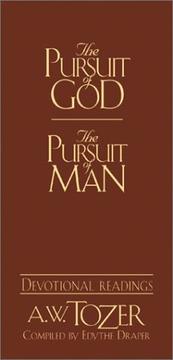 The pursuit of GodA. W. TozerA passionate, challenging call to strip away superficial religion and cultivate a burning, intimate hunger for the divine.