Books › Demons Don't Dream

Demons Don't Dream
352 pages
A playful, pun-filled romp where the boundaries between a computer game and a magical reality delightfully dissolve.
What it feels like
Reading this book feels like stepping inside a whimsical, slightly surreal video game where the primary weapon is wordplay. The pace is brisk and bouncy, pulling you through a series of absurd encounters and clever puzzles that rely entirely on literalized puns. The mood is relentlessly cheerful and breezy, offering a pure dose of escapism from the mundane world. It captures the specific joy of discovering that a magical realm operates on silly, predictable rules that can be mastered with a bit of lateral thinking. The prose is accessible and conversational, never taking itself too seriously. It is a perfect fit for readers who delight in lighthearted portal fantasies, groan-inducing humor, and the nostalgic charm of classic adventure games.
- Mood
- surreal
- breezy
- cheerful
- game-like
- Tone
- playful
- pun-heavy
- lighthearted
- whimsical
- irreverent
- Pace
- brisk
- Themes
- escapism · blurring reality and fantasy · the power of play · navigating absurd rules · coming-of-age
- The writing
- Accessible and conversational, characterized by a relentless barrage of literalized puns and playful wordplay.
- The arc
- Moves from mundane teenage boredom and confusion to enthusiastic engagement and a sense of belonging in a delightfully absurd magical world.
- Who it's for
- Readers who love lighthearted portal fantasies, video game tropes, and groan-inducing puns.
Content notes
- mild suggestive themes
- fantasy violence
About the book
Originally published in the USA, Tor Books, 1993 and in Great Britain, Hodder and Stoughton, 1993.
Description from Open Library.
Books like Demons Don't Dream
See why they match Night MarePiers AnthonyA whimsical, pun-fueled romp through a magical land where metaphors take literal shape and nightmares have souls.
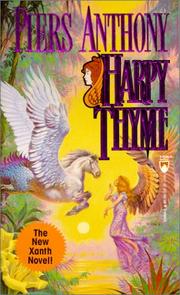 Harpy ThymePiers AnthonyA cheerful, pun-soaked romp through a whimsical land where idioms come to literal, ridiculous life.
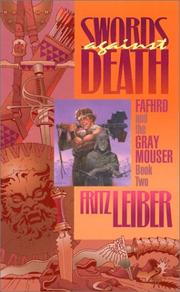 Swords Against DeathFritz LeiberA fog-drenched, witty romp through a world of thieves, dark magic, and unbreakable camaraderie.
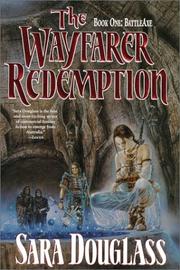 The Wayfarer RedemptionSara DouglassA sweeping, dramatic plunge into a world torn apart by religious zealotry, ancient magic, and forbidden desires.
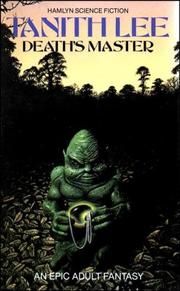 Death's MasterTanith LeeA mythic, magical exploration of mortality where gods and the personification of Death walk alongside queer identities.
 Incubus dreamsLaurell K. HamiltonA gritty, blood-soaked descent into supernatural politics and unapologetic, tangled desires.