Books › Der Ursprung der Familie, des Privateigenthums und des Staats

Der Ursprung der Familie, des Privateigenthums und des Staats
Im Anschluss an Lewis H. Morgan’s Forschungen
First published 1900 · 394 pages
A sweeping, revolutionary deconstruction of the institutions we are taught to accept as natural.
What it feels like
Reading this foundational text feels like watching the walls of the status quo being methodically dismantled brick by brick. Engels guides the reader through a sweeping, evolutionary history of human social structures, maintaining a steady, analytical pace that occasionally flares into brilliant, polemical fire. The mood is intellectually rigorous and deeply revolutionary, steeped in the urgent belief that the oppressive structures of the present are neither natural nor eternal. The prose is dense and scholarly, yet driven by a profound moral clarity regarding the subjugation of women and the working class. It is a deeply satisfying read for those who love historical materialism, feminist theory, and the thrill of seeing the hidden scaffolding of society laid bare.
- Mood
- intellectually rigorous
- revolutionary
- historical
- urgent
- Tone
- analytical
- polemical
- authoritative
- provocative
- earnest
- Pace
- steady
- Themes
- the roots of inequality · patriarchal oppression · social evolution · the illusion of the natural order · historical materialism
- The writing
- Dense, structured, and historically grounded, yet punctuated by sharp, polemical rhetoric and revolutionary zeal.
- The arc
- Moves from a methodical deconstruction of accepted history to a fiery, visionary call for a radically liberated future.
- Who it's for
- Readers fascinated by Marxist theory, feminist history, and the structural origins of societal norms.
Content notes
- discussions of systemic misogyny
- historical oppression
- outdated anthropological terminology
About the book
The Origin of the Family, Private Property and the State (1884), was a provocative and profoundly influential critique of the Victorian nuclear family. Engels argued that the traditional monogamous household was in fact a recent construct, closely bound up with capitalist societies. Under this patriarchal system, women were servants and, effectively, prostitutes. Only Communism would herald the dawn of communal living and a new sexual freedom and, in turn, the role of the state would become superfluous.
Description from Open Library.
Books like Der Ursprung der Familie, des Privateigenthums und des Staats
See why they match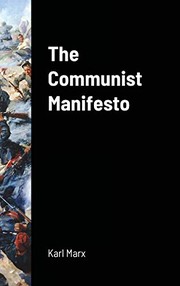 Manifest der Kommunistischen ParteiKarl Marx and Friedrich EngelsA fiery, rhetorically charged pamphlet that diagnoses the engine of history and demands a radical reimagining of society.
 Das KapitalKarl MarxA dense, monumental dissection of the capitalist machine that rewards patient readers with flashes of biting sarcasm and revolutionary fury.
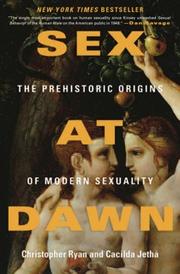 Sex at DawnChristopher RyanA witty, paradigm-shifting exploration of human evolution that gleefully dismantles the standard narrative of natural monogamy.
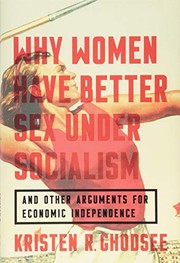 Why Women Have Better Sex Under SocialismKristen R. GhodseeA witty, provocative exploration of how economic systems shape our most intimate lives, arguing that capitalism is the true barrier to women's liberation.
 Die Entwicklung des Sozialismus von der Utopie zur WissenschaftFriedrich EngelsA forceful, clarifying distillation of revolutionary theory that grounds lofty ideals in the gritty reality of historical materialism.
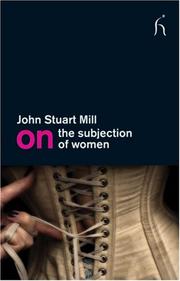 The Subjection of WomenJohn Stuart MillA methodical, impassioned dismantling of patriarchal logic that feels as urgent today as it did in the nineteenth century.