Books › Diagnostic and statistical manual of mental disorders
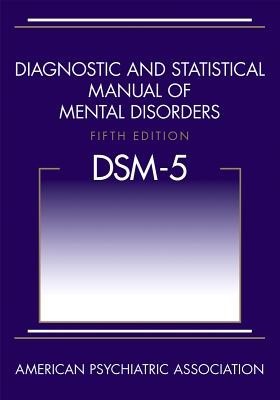
Diagnostic and statistical manual of mental disorders
DSM-5 - 5. ed.
947 pages
A monumental, meticulously structured architecture of human psychology and clinical pathology.
What it feels like
Reading this manual is less about narrative momentum and more about navigating a vast, meticulously organized map of the human mind's vulnerabilities. The atmosphere is undeniably academic and sterile, stripped of narrative warmth to prioritize absolute clinical precision. It feels weighty and authoritative, demanding a steady, analytical approach as you parse through dense, standardized criteria and diagnostic codes. There is a profound, quiet gravity to the text, as it attempts to categorize the boundless spectrum of human suffering and behavioral divergence into neat, actionable frameworks. It is a definitive, essential tool that will deeply satisfy clinicians, researchers, and psychology students who crave structure, rigorous scientific consensus, and a standardized language for understanding complex mental health conditions.
- Mood
- academic
- sterile
- serious
- analytical
- Tone
- clinical
- objective
- authoritative
- detached
- precise
- Pace
- steady
- Themes
- categorization of human suffering · clinical diagnosis · psychological frameworks · the spectrum of human behavior
- The writing
- The sentences are dense, highly technical, and stripped of emotion to prioritize diagnostic clarity and standardized precision.
- The arc
- The reader moves from the overwhelming complexity of human psychological distress into a highly structured, meticulously categorized framework of understanding.
- Who it's for
- Mental health professionals, clinicians, and psychology students who need the definitive, authoritative reference for psychiatric diagnosis.
Content notes
- mental illness
- trauma
- substance abuse
- self-harm
- suicidal ideation
- psychological distress
About the book
This is the standard reference for clinical practice in the mental health field. Since a complete description of the underlying pathological processes is not possible for most mental disorders, it is important to emphasize that the current diagnostic criteria are the best available description of how mental disorders are expressed and can be recognized by trained clinicians. The classification of disorders is harmonized with the World Health Organization's International Classification of Diseases (ICD), the official coding system used in the United States. The disorders included in DSM-5 were reordered into a revised organizational structure meant to stimulate new clinical perspectives. This new structure corresponds with the organizational arrangement of disorders planned for ICD-11 scheduled for release in 2015. Other enhancements have been introduced to promote ease of use across all settings, including: Representation of developmental issues related to diagnosis; Integration of scientific findings from the latest research in genetics and neuroimaging; Consolidation of autistic disorder, Asperger's disorder, and pervasive developmental disorder into autism spectrum disorder; Streamlined classification of bipolar and depressive disorders; Restructuring of substance use disorders for consistency and clarity; Enhanced specificity for major and mild neurocognitive disorders; Transition in conceptualizing personality disorders; New disorders and features; Online enhancements.-- Publisher description.
Description from Open Library.
Books like Diagnostic and statistical manual of mental disorders
See why they match Abnormal PsychologyDavisonA structured, deeply informative exploration of the human mind that balances clinical rigor with profound empathy for psychological struggles.
 The Theory and Practice of Group Psychotherapy, 5th ed.Irvin D. YalomA masterclass in human connection that reads less like a clinical manual and more like a profound exploration of our shared emotional landscape.
 The Autistic BrainTemple Grandin and Richard PanekA deeply personal and scientifically grounded tour of neurodiversity that reframes how we understand different kinds of minds.
 Without conscienceRobert D. HareA chilling, eye-opening descent into the minds of human predators that will leave you questioning the motives of everyone you meet.
 The mask of sanityHervey M. CleckleyA sobering, clinical exploration of the chilling facade of normalcy that hides profound psychological detachment.
 PsychologyDavid G. MyersAn illuminating, highly readable exploration of the human mind that transforms everyday observations into profound psychological insights.