Books › Digital literacy

Digital literacy
First published 1997 · 276 pages
A thoughtful, foundational exploration of how to adapt our minds to the interactive age, offering a fascinating glimpse into early internet philosophy.
What it feels like
Reading this foundational text feels like stepping into a time machine guided by a remarkably prescient philosopher of the early internet. The pace is steady and methodical, inviting you to slow down and think critically about the very nature of information. Rather than getting bogged down in the technical mechanics of dial-up modems or early browsers, the narrative focuses on the cognitive shifts required to thrive in a hyper-connected world. The mood is deeply intellectual yet accessible, wrapped in an earnest, forward-looking optimism that feels both refreshing and slightly retro-futuristic today. It will delight media theorists, educators, and anyone curious about the historical roots of how we process, evaluate, and survive the modern digital landscape.
- Mood
- intellectual
- curious
- grounded
- retro-futuristic
- Tone
- analytical
- instructive
- forward-looking
- earnest
- Pace
- steady
- Themes
- critical thinking · information overload · media evolution · cognitive adaptation
- The writing
- Clear, methodical, and accessible, prioritizing philosophical frameworks over technical jargon.
- The arc
- Moves from a sense of technological overwhelm to an empowered, grounded clarity about navigating new media.
- Who it's for
- Educators, media theorists, and curious readers fascinated by the foundational philosophy of how we consume information online.
About the book
Digital Literacy isn't a book about how to get around the Internet. That ground has been amply covered. Digital Literacy provides Internet novices with the basic thinking skills and core competencies they'll need to thrive in an interactive environment so fundamentally different from passive media such as television or print.
Description from Open Library.
Books like Digital literacy
See why they match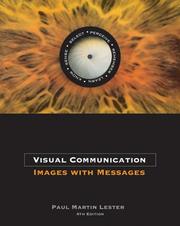 Visual CommunicationPaul Martin LesterAn analytical and eye-opening journey into the mechanics of how we see and interpret the modern media landscape.
 Wasting Time on the InternetKenneth GoldsmithA clear, philosophical manifesto that reframes our digital habits from mindless scrolling to productive creativity.
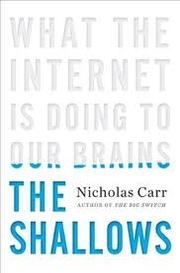 The ShallowsNicholas CarrA fascinating, slightly unsettling exploration of how the medium of the internet is fundamentally rewiring our neural pathways.
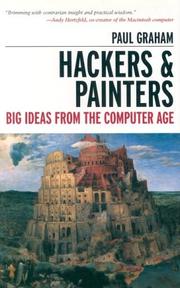 Hackers & paintersGraham, PaulA crisp, contrarian manifesto that frames writing code as an act of creative rebellion and artistic design.
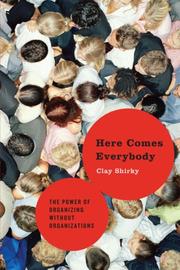 Here comes everybodyClay ShirkyAn eye-opening, anecdote-rich exploration of how digital networks have fundamentally rewired our capacity to cooperate and organize.
 Amusing Ourselves to DeathNeil PostmanA chillingly prescient autopsy of how society traded critical thought for endless, comfortable distraction.