Books › Disability Visibility
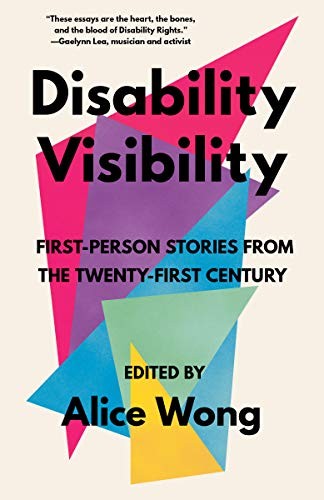
Disability Visibility
336 pages
An urgent, kaleidoscopic chorus of voices that redefines what it means to live, thrive, and fight in a world built for the able-bodied.
What it feels like
Reading this anthology feels like stepping into a vibrant, fiercely protective community space where every voice is given the microphone. The pace is steady, inviting you to sit with each essay, absorbing the distinct textures of lived experiences that range from quiet, everyday triumphs to roaring manifestos against systemic erasure. The mood is a potent blend of righteous anger, deep reflection, and radical, unapologetic joy. Because it is a collection, the prose shifts—sometimes lyrical and tender, other times sharp and analytical—but it is always anchored in an urgent, intimate candor. It is a deeply galvanizing read that will delight and challenge anyone looking to dismantle their own assumptions about bodily autonomy, care, and what it truly means to be human.
- Mood
- empowering
- righteous
- reflective
- communal
- Tone
- urgent
- defiant
- intimate
- candid
- celebratory
- Pace
- steady
- Themes
- systemic ableism · radical joy · bodily autonomy · community and kinship · intersectional identity
- The writing
- A rich tapestry of voices that shifts seamlessly between lyrical memoir, sharp cultural critique, and impassioned manifesto.
- The arc
- Moves from confronting systemic erasure and daily friction to a profound, galvanizing sense of communal solidarity and radical pride.
- Who it's for
- Readers who crave authentic, intersectional perspectives and want to challenge their understanding of normalcy, care, and human worth.
Content notes
- ableism
- medical trauma
- chronic pain
- eugenics discussions
- grief
About the book
According to the last census, one in five people in the United States lives with a disability. Some are visible, some are hidden--but all are underrepresented in media and popular culture. Now, just in time for the thirtieth anniversary of the Americans with Disabilities Act, activist Alice Wong brings together an urgent, galvanizing collection of personal essays by contemporary disabled writers.There is Harriet McBryde Johnson's "Unspeakable Conversations," which describes her famous debate with Princeton philosopher Peter Singer over her own personhood. There is columnist s. e. smith's celebratory review of a work of theater by disabled performers. There are original pieces by up-and-coming authors like Keah Brown and Haben Girma. There are blog posts, manifestos, eulogies, and testimonies to Congress.
Description from Open Library.
Books like Disability Visibility
See why they match Care WorkLeah Lakshmi Piepzna-SamarasinhaA fierce, tender manifesto that reimagines accessibility not as a logistical chore, but as an act of profound collective love.
 The cost of livingDeborah LevyA vibrant, urgent reflection on dismantling the social hierarchies that diminish women, in pursuit of a life lived with meaning, pleasure, and ultimate freedom.
 DisfiguredAmanda LeducA poignant, eye-opening exploration of how the fairy tales we love have shaped the bodies we value, blending memoir with sharp cultural critique.
 Hood FeminismMikki KendallA fierce, necessary dismantling of mainstream feminism that demands we look at survival, not just privilege.
 Eloquent RageBrittney C. CooperAn unapologetic and energizing memoir that reclaims anger as a transformative tool for justice and resilience.
 Trans like meC. N. LesterA thoughtful, deeply personal exploration of gender identity that invites readers to look beyond limiting labels toward true authenticity.