Books › Disgrace

Booker Prize 1999
Disgrace
332 pages
A stark, unflinching descent into moral ruin and the painful, quiet process of being stripped of one's pride.
What it feels like
Reading this novel feels like walking barefoot across broken glass under a glaring, unforgiving sun. It is a masterclass in discomfort, moving at a steady, inexorable pace that offers no easy escapes and no comforting resolutions. The prose is surgically precise and entirely devoid of sentimentality, stripping its characters down to their most flawed, vulnerable cores. You are immersed in a stark, desolate atmosphere where the tension is palpable, rooted not in plot twists but in the shifting, treacherous ground of human morality and historical guilt. It is a profoundly unsettling experience, designed for readers who crave uncompromising, philosophically dense literature that lingers like a bruise long after the final, devastatingly quiet page is turned.
- Mood
- desolate
- oppressive
- tense
- stark
- Tone
- unflinching
- austere
- detached
- wry
- bleak
- Pace
- steady
- Themes
- the limits of atonement · shifting power dynamics · aging and obsolescence · moral ambiguity · the burden of history
- The writing
- Spare, precise, and surgically sharp, stripping away all sentimentality to expose raw, uncomfortable truths.
- The arc
- A journey from arrogant complacency to a devastating, humbling surrender.
- Who it's for
- Readers who appreciate morally complex, uncompromising literature that forces them to confront the darkest corners of human nature.
Content notes
- sexual assault
- animal cruelty
- euthanasia
- violence
- racism
About the book
At fifty-two, Professor David Lurie is divorced, filled with desire, but lacking in passion. An affair with one of his students leaves him jobless, shunned by his friends, and ridiculed by his ex-wife. He retreats to his daughter Lucy's isolated smallholding, where a brief visit becomes an extended stay as he tries to find meaning from the one remaining relationship. David attempts to relate to Lucy and to a society with new racial complexities are disrupted by an afternoon of violence that shakes all of his beliefs and threatens to destroy his daughter. In this wry, visceral, yet strangely tender novel, Coetzee once again tells "truths [that] cut to the bone" (The New York Times Book Review).
Description from Open Library.
Books like Disgrace
See why they match The Childhood of JesusJ. M. CoetzeeA profound, surreal exploration of memory, chosen family, and philosophical inquiry in a strange new land.
 Life & times of Michael KJ. M. CoetzeeA quiet, devastating meditation on radical endurance and the human desire to simply exist outside the machinery of war.
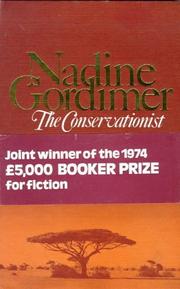 The ConservationistNadine GordimerA subtle, seething portrait of a privileged man losing his grip on the people, land, and society he thought he owned.
 The Grass is SingingDoris LessingA suffocating, sun-baked descent into the psychological ruin wrought by isolation and colonial rot.
 Tess of the d'UrbervillesThomas HardyA lush, devastating portrait of a woman crushed by the relentless machinery of fate and social hypocrisy.
 July's peopleNadine GordimerA claustrophobic and unflinching examination of what happens when the architecture of privilege suddenly collapses.