Books › Do not say we have nothing

Do not say we have nothing
496 pages
A sweeping, melancholic excavation of a fractured family's past, where art and inherited trauma echo across generations.
What it feels like
Reading this book feels like carefully piecing together a shattered heirloom. It is a steady, sweeping, and deeply melancholic experience that immerses the reader in the fragile layers of collective memory and intergenerational trauma. The narrative moves with a reflective grace, balancing the intimate, quiet grief of a child's loss with the massive, reverberating weight of political upheaval. The prose is masterful and elegiac, capturing the ways in which art and identity survive or are irrevocably altered under the crush of history. It will deeply resonate with readers who gravitate toward literary historical fiction that traces the long, haunting echoes of family secrets and the enduring bonds forged in the crucible of revolution.
- Mood
- haunting
- melancholic
- fragile
- resonant
- Tone
- reflective
- elegiac
- poignant
- earnest
- Pace
- steady
- Themes
- intergenerational trauma · the weight of history · artistic survival · fractured families · collective memory
- The writing
- Masterful and layered, weaving intimate personal tragedy with sweeping historical resonance.
- The arc
- Moves from the sharp shock of childhood loss through a sprawling, painful excavation of the past, toward a fragile understanding of inherited grief.
- Who it's for
- Readers who appreciate sweeping, multi-generational literary fiction that explores the intersection of art, politics, and family trauma.
Content notes
- suicide
- grief
- political upheaval
- family fracture
About the book
"In a single year, my father left us twice. The first time, to end his marriage, and the second, when he took his own life. I was ten years old."Master storyteller Madeleine Thien takes us inside an extended family in China, showing us the lives of two successive generations--those who lived through Mao's Cultural Revolution and their children, who became the students protesting in Tiananmen Square. At the center of this epic story are two young women, Marie and Ai-Ming. Through their relationship Marie strives to piece together the tale of her fractured family in present-day Vancouver, seeking answers in the fragile layers of their collective story. Her quest will unveil how Kai, her enigmatic father, a talented pianist, and Ai-Ming's father, the shy and brilliant composer, Sparrow, along with the violin prodigy Zhuli, were forced to reimagine their artistic and private selves during China's political campaigns and how their fates reverberate through the years with lasting consequences.
Description from Open Library.
Books like Do not say we have nothing
See why they match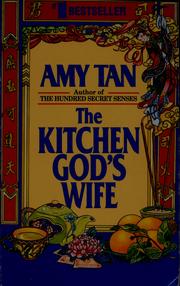 The Kitchen God's WifeAmy TanA sweeping, deeply intimate confession that bridges the chasm of unspoken history between a mother and daughter.
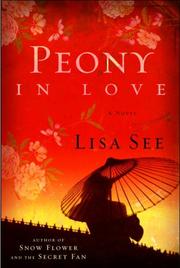 Peony in LoveLisa SeeA lush, haunting exploration of lovesickness and the afterlife, where passion defies the boundaries of mortality.
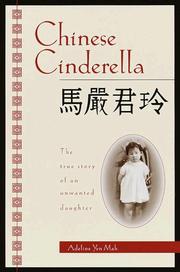 Chinese CinderellaAdeline Yen MahA heartbreaking but deeply inspiring memoir of a neglected child who builds her own worth out of the ashes of familial rejection.
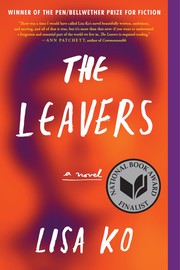 The leaversLisa KoA poignant, cross-cultural exploration of identity, loss, and the enduring, complicated ties between a mother and her son.
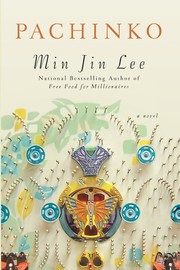 PachinkoMin Jin LeeA sweeping, deeply empathetic epic that traces the quiet sacrifices and enduring resilience of a family caught in the currents of history.
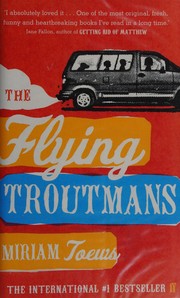 The flying TroutmansMiriam ToewsAn intimate and emotionally heavy exploration of familial duty and the sudden, urgent pull of a family in crisis.