Books › Dogs don't tell jokes

Dogs don't tell jokes
224 pages
A funny, tender exploration of what happens when the class clown finally decides to take himself seriously.
What it feels like
Reading this book feels like sitting in the back row of a middle school classroom, watching the kid everyone laughs at finally reveal the person underneath the punchlines. The pace is brisk and snappy, driven by a steady stream of jokes that slowly peel back to reveal a surprisingly tender emotional core. The narrative balances a wry, deadpan tone with deep empathy for the awkwardness of early adolescence, creating an atmosphere that is both lighthearted and bittersweet. It perfectly captures the vulnerability of trying to reinvent yourself when everyone already thinks they know who you are. Readers who appreciate stories about misfits, the hidden depths of the class clown, and the quiet courage it takes to be genuine will devour this earnest, funny tale.
- Mood
- awkward
- hopeful
- bittersweet
- lighthearted
- Tone
- wry
- earnest
- deadpan
- empathetic
- Pace
- brisk
- Themes
- the mask of comedy · desire to be understood · reinventing oneself · middle school social dynamics · vulnerability of performing
- The writing
- Snappy, accessible, and dialogue-heavy, characterized by a signature deadpan wit that perfectly captures the rhythm of a twelve-year-old's mind.
- The arc
- The journey shifts from hiding behind a wall of relentless jokes to risking genuine vulnerability and finding true connection.
- Who it's for
- Middle-grade readers who use humor as a defense mechanism or anyone who has ever felt like they are playing a part just to fit in.
Content notes
- bullying
- social ostracization
About the book
Twelve-year-old Gary, known as Goon because of his constant clowning and joke-telling, tries to change his image and make new friends at school.
Description from Open Library.
Books like Dogs don't tell jokes
See why they match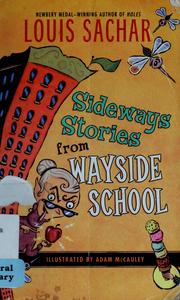 Sideways Stories from Wayside SchoolLouis SacharA delightfully surreal trip into a classroom where logic is turned upside down and the bizarre is entirely mundane.
 Sixth Grade SecretsLouis SacharA funny, fast-paced dive into the chaotic social ecosystem of middle school, where secret clubs and prank wars test the limits of friendship.
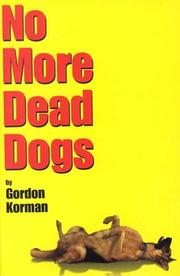 No more dead dogsGordon KormanA hilarious, fast-paced middle-school rebellion against required reading and tragic animal stories.
 Class ClownJohanna HurwitzA warm, empathetic glimpse into the bustling world of a third-grade classroom and the earnest heart of a kid who just can't seem to stay out of trouble.
 UngiftedGordon KormanA hilarious, high-energy collision of chaos and intellect that proves there is more than one way to be smart.
 Jacky Ha-HaJames Patterson and Chris GrabensteinA fast-paced, funny, and surprisingly tender exploration of using laughter to hide a breaking heart.