Books › Don't Call It Love
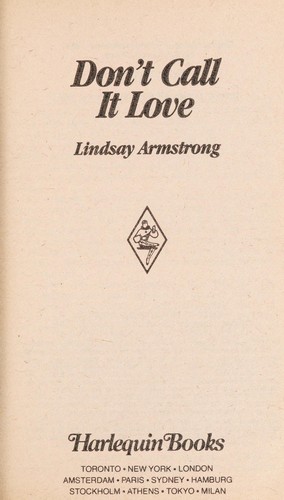
Don't Call It Love
First published 1984 · 292 pages
A classic, angsty marriage-of-convenience romance where secret yearning collides with cynical pragmatism on the Australian coast.
What it feels like
Stepping into this vintage 1980s romance feels like wrapping yourself in a familiar, emotionally charged blanket of classic tropes. The narrative moves at a brisk, engaging pace, driven entirely by the internal angst and secret yearning of a heroine trapped in a pragmatic marriage of convenience. Set against a breezy Australian coastal backdrop, the mood is thick with unspoken tension and the quiet domesticity of a found family. The prose is straightforward and deeply focused on emotional turbulence, capturing the push-and-pull between a cynical hero and a deeply vulnerable heroine. It is a perfect comfort read for fans of old-school category romance who delight in the delicious frustration of unrequited love slowly transforming into a hard-won, passionate surrender.
- Mood
- yearning
- emotionally tense
- coastal
- domestic
- Tone
- earnest
- angsty
- melodramatic
- romantic
- Pace
- brisk
- Themes
- marriage of convenience · secret pining · cynicism vs. vulnerability · found family
- The writing
- Straightforward and emotionally charged, characteristic of vintage 1980s category romance.
- The arc
- Moves from quiet, unrequited yearning within a pragmatic arrangement to a dramatic emotional breakthrough and mutual surrender.
- Who it's for
- Readers who love vintage romance tropes, particularly the angsty marriage of convenience and the classic governess dynamic.
Content notes
- outdated gender dynamics
- mild emotional manipulation
About the book
Anna wanted love, not just its trappings Anna Horton was a sane, down-to-earth kind of person and not normally given to wild excesses. Then she became governess to Richard Gillespie's little daughter, Chrissy, at their Yandilla home of the coast of Australia.
For the first time in Anna's life, love secretly touched the depths of her heart. But Richard was under the impression that Anna, with good reason, was as contemptuous of love's illusions as he was.
So he saw no reason why Anna couldn't marry him - for Chrissy's sake - and not be disillusioned.
Description from Open Library.
Books like Don't Call It Love
See why they match Unsuitable WifeLindsay ArmstrongA classic 90s category romance full of fiery clashes, possessive declarations, and the thrilling tension of opposites attracting.
 A difficult manLindsay ArmstrongA classic 90s romance of clashing wills, creative temperaments, and the irresistible pull of a brooding man who claims he'll never marry.
 Ross's girlJane CorrieA classic, sun-drenched battle of wills where a broken engagement sparks an unexpected fire of genuine longing.
 The Nanny AffairRobyn DonaldA classic vintage romance dripping with secret identities, rugged landscapes, and irresistible, high-stakes attraction.
 The Cattle King's MistressEmma DarcyA sun-baked, high-stakes clash of wills where undeniable attraction battles deep-seated insecurities in the rugged Australian outback.
 Face The TigerJane DonnellyA nostalgic, quick-reading romance about an underestimated woman who finally finds her roar while sparring with a formidable boss.