Books › Dostoevsky, Kierkegaard, Nietzsche, and Kafka
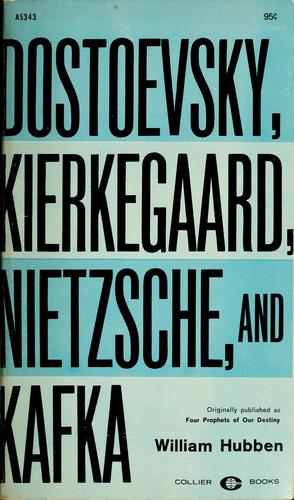
Dostoevsky, Kierkegaard, Nietzsche, and Kafka
188 pages
A lucid, provocative journey into the minds of four outsiders who foresaw the chaos of the modern world.
What it feels like
Reading this book feels like sitting with a brilliant scholar as they unravel the roots of modern existential dread. The pace is steady and contemplative, driven by lucid exposition rather than narrative momentum. It weaves together the biographical realities of four profound outsiders, immersing the reader in an atmosphere that is both deeply intellectual and subtly apocalyptic. The mood is somber yet fascinating, capturing the tension of a dying civilization and the prophetic visions of the chaos to come. The prose is clear and analytical, making complex philosophical concepts accessible while maintaining a provocative edge. It is a perfect read for those who want to explore the origins of modernity through the minds of its most mysterious and alienated architects.
- Mood
- intellectual
- apocalyptic
- contemplative
- somber
- Tone
- lucid
- provocative
- analytical
- earnest
- Pace
- steady
- Themes
- the birth of modernity · existential dread · outsiderhood and alienation · prophetic visions of chaos · the collapse of civilization
- The writing
- Lucid and expository, weaving biographical detail with complex philosophical analysis.
- The arc
- Moves from the isolated struggles of individual outsiders to a sweeping, provocative vision of modern chaos.
- Who it's for
- Readers fascinated by the roots of existentialism and the minds of history's most prophetic literary outsiders.
Content notes
- existential dread
- discussions of societal collapse
About the book
How four of Europe's most mysterious and fascinating writers shaped the modern mind. Dostoevsky, Kierkegaard, Nietzsche, and Kafka were all outsiders in their societies, unable to fit into the accepted nineteenth-century categories of theology, philosophy, or belles lettres. Instead, they saw themselves both as the end products of a dying civilization and as prophets of the coming chaos of the twentieth century. In this brilliant combination of biography and lucid exposition, their apocalyptic visions of the future are woven together into a provocative portrait of modernity.
Description from Open Library.
Books like Dostoevsky, Kierkegaard, Nietzsche, and Kafka
See why they match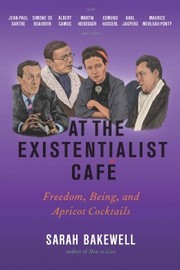 At the Existentialist CaféSarah BakewellPull up a chair at a bustling Parisian café and eavesdrop on the brilliant, messy minds who defined modern freedom.
 NietzscheMichael TannerAn illuminating and accessible journey through the life and complex thought of a famously misunderstood philosopher.
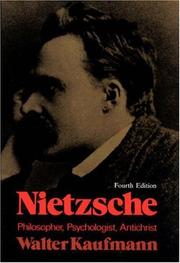 Nietzsche: philosopher, psychologist, antichristWalter Arnold KaufmannAn intellectually thrilling rescue mission that strips away decades of propaganda to reveal a profoundly misunderstood thinker.
 Basic writings of NietzscheFriedrich NietzscheA fiery, iconoclastic dismantling of Western morality that challenges you to forge your own meaning in the void.
 The portable NietzscheFriedrich NietzscheA fierce, poetic dismantling of traditional morality that challenges you to forge your own meaning in the void.
 The Myth of Sisyphus and Other EssaysAlbert CamusA lyrical and defiant meditation on finding meaning and joy in a universe that refuses to offer any.