Books › Dubliners
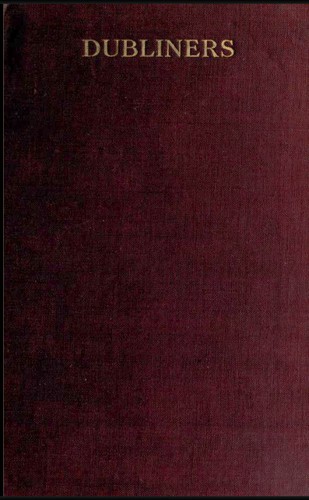
Dubliners
563 pages
A quiet, devastating portrait of ordinary lives trapped by circumstance and illuminated by sudden, fleeting moments of clarity.
What it feels like
Reading this collection feels like walking through a fog-bound city at dusk, peering into lit windows to witness the quiet tragedies of ordinary lives. The pace is leisurely, demanding patience as it builds its atmosphere of profound stagnation and missed connections. The prose is deceptively plain, stripping away romanticism to reveal the unvarnished truth of human paralysis, yet it frequently swells into moments of breathtaking, lyrical beauty—most notably in its final, snow-hushed pages. It is a deeply melancholic and atmospheric experience, steeped in the weight of memory and the sorrow of unlived lives. This is a book for readers who savor meticulous, character-driven literary fiction and find profound emotional resonance in the subtle, devastating epiphanies of the everyday.
- Mood
- somber
- claustrophobic
- wistful
- stagnant
- Tone
- observational
- melancholic
- unsparing
- empathetic
- Pace
- leisurely
- Themes
- spiritual paralysis · lost innocence · missed opportunities · the weight of memory · quiet desperation
- The writing
- Precise, evocative, and deceptively simple, building toward moments of lyrical transcendence.
- The arc
- Moves from the quiet confusions of childhood through the frustrations of adulthood, culminating in a profound, melancholic acceptance of mortality.
- Who it's for
- Readers who appreciate quiet, character-driven literary fiction and the subtle, devastating beauty of everyday tragedies.
Content notes
- alcoholism
- domestic abuse
- grief
- death
About the book
James Joyce's disillusion with the publication of Dubliners in 1914 was the result of ten years battling with publishers, resisting their demands to remove swear words, real place names and much else, including two entire stories. Although only 24 when he signed his first publishing contract for the book, Joyce already knew its worth: to alter it in any way would 'retard the course of civilisation in Ireland'. Joyce's aim was to tell the truth -- to create a work of art that would reflect life in Ireland at the turn of the last century. By rejecting euphemism, he would reveal to the Irish the unromantic reality, the recognition of which would lead to the spiritual liberation of the country. Each of the fifteen stories offers a glimpse of the lives of ordinary Dubliners -- a death, an encounter, an opportunity not taken, a memory rekindled -- and collectively they paint a portrait of a nation. - Back cover.
Dubliners is a collection of vignettes of Dublin life at the end of the 19th Century written, by Joyce’s own admission, in a manner that captures some of the unhappiest moments of life. Some of the dominant themes include lost innocence, missed opportunities and an inability to escape one’s circumstances.
Joyce’s intention in writing Dubliners, in his own words, was to write a chapter of the moral history of his country, and he chose Dublin for the scene because that city seemed to him to be the centre of paralysis. He tried to present the stories under four different aspects: childhood, adolescence, maturity and public life. ‘The Sisters’, ‘An Encounter’ and ‘Araby’ are stories from childhood. ‘Eveline’, ‘After the Race’, ‘Two Gallants’ and ‘The Boarding House’ are stories from adolescence. ‘A Little Cloud’, ‘Counterparts’, ‘Clay’ and ‘A Painful Case’ are all stories concerned with mature life. Stories from public life are ‘Ivy Day in the Committee Room’ and ‘A Mother and Grace’. ‘The Dead’ is the last story in the collection and probably Joyce’s greatest. It stands alone and, as the title would indicate, is concerned with death.
Description from Open Library.
Books like Dubliners
See why they match The DeadJames JoyceA snow-muffled descent from the noisy warmth of a holiday party into the quiet, haunting realization of life's fragility.
 A Portrait of the Artist as a Young ManJames JoyceA deeply internal, language-obsessed journey of shedding the suffocating weights of religion and nation to forge a new self.
 The CommitmentsRoddy DoyleA loud, profane, and fiercely energetic love letter to soul music and working-class dreams.
 Winesburg, OhioSherwood AndersonA quiet, piercing look behind the closed doors of a small town, revealing the profound loneliness and hidden desires of its inhabitants.
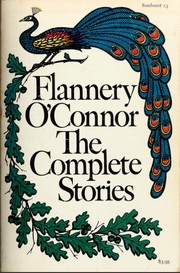 The Complete StoriesFlannery O'ConnorA masterclass in the Southern Gothic, where petty hypocrisies are shattered by sudden, violent grace.
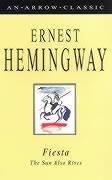 The Sun Also RisesErnest HemingwayA sun-drenched, alcohol-soaked drift through 1920s Europe, where unspoken grief hides behind endless glasses of wine.