Books › Earth abides
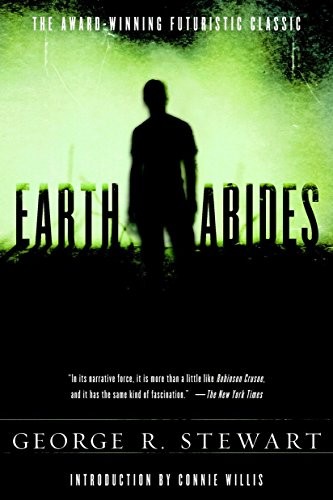
Earth abides
First published 1949 · 448 pages
A quiet, sweeping meditation on the end of the world that feels less like a tragedy and more like a slow, beautiful return to nature.
What it feels like
Reading this book feels like watching a time-lapse video of a city slowly being reclaimed by the forest. It is a post-apocalyptic novel stripped of adrenaline and survival horror, replacing panic with a profound, quiet melancholy and scientific curiosity. The narrative moves at a steady, generational pace, inviting you to sit with the sheer scale of deep time and the fragility of human achievement. The prose is measured and observational, grounding the immense loss of civilization in the fascinating, minute details of ecological succession—crumbling highways, feral dogs, and shifting weather patterns. It will deeply satisfy readers who want to ponder the philosophical weight of the apocalypse, offering a surprisingly peaceful, elegiac journey that ends in profound acceptance rather than despair.
- Mood
- elegiac
- quiet
- lonely
- awe-inspiring
- Tone
- observational
- philosophical
- melancholic
- pragmatic
- Pace
- steady
- Themes
- fragility of civilization · deep time · ecological succession · acceptance of change · cyclical history
- The writing
- Clear, measured, and almost documentary-like, blending scientific observation with quiet poetry.
- The arc
- Moves from the shock and isolation of sudden loss to a quiet, philosophical acceptance of humanity's diminished but enduring place in the natural world.
- Who it's for
- Readers who prefer thoughtful, slow-burn speculative fiction that prioritizes sociological and ecological questions over action and survival horror.
Content notes
- pandemic
- mass death
- grief
- animal death
About the book
See Reginald's Science fiction and fantasy literature, 13685 (Random House, 1949 hardcover edition).
Description from Open Library.
Books like Earth abides
See why they match Alas BabylonPat FrankA pragmatic, surprisingly hopeful blueprint for rebuilding community at the end of the world.
 SevenevesNeal StephensonA meticulously engineered, high-stakes thought experiment about the end of the world and the grueling, orbital mechanics of human survival.
 The PostmanDavid BrinA wintry, atmospheric journey through a ruined world that slowly warms into a profound meditation on the symbols that bind humanity together.
 World Made by HandJames Howard KunstlerA quiet, pragmatic vision of a post-collapse world where survival means returning to the soil and relying on your neighbors.
 The years of rice and saltKim Stanley RobinsonA sweeping, centuries-spanning tapestry of reincarnation and alternate history that reimagines the evolution of human civilization.
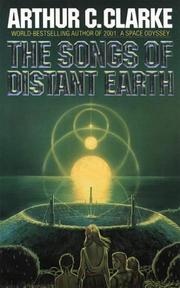 The Songs of Distant EarthArthur Charles ClarkeA quiet, sun-drenched meditation on the vastness of space, the loss of a homeworld, and the bittersweet beauty of fleeting human connection.