Books › Easy Origami

Easy Origami
First published 1992 · 48 pages
A quiet, tactile invitation to turn a simple square of paper into a moment of focused magic.
What it feels like
Reading this book is less about absorbing words and more about entering a state of quiet, tactile focus. The experience is inherently leisurely and meditative, inviting you to slow down and follow clear, encouraging visual steps. There is a distinct sense of playful accomplishment that builds with each turned page, as flat squares of paper transform into recognizable creatures and objects. The atmosphere is entirely frustration-free, designed to foster confidence and a gentle sense of wonder in beginners of any age. It delights those who crave a hands-on, screen-free activity, offering a peaceful retreat into the simple, elegant geometry of traditional paper folding.
- Mood
- calm
- focused
- meditative
- playful
- Tone
- encouraging
- clear
- instructive
- accessible
- Pace
- leisurely
- Themes
- creative expression · mindfulness · skill building · tactile joy
- The writing
- Minimalist and purely functional, relying on precise visual diagrams rather than descriptive text.
- The arc
- Moves from initial curiosity and slight hesitation to the quiet satisfaction of creating something tangible.
- Who it's for
- Beginners of all ages looking for a gentle, frustration-free introduction to the art of paper folding.
About the book
Thirty two traditional origami models with simple line drawing directions for how to make each one. The models are simple to make and elegant and this book would suit anyone who wants to learn this craft from young children up. The models are: dog, cat, rabbit, horse, fish, penguin, stem (for a flower), cup, hat, tall cap, boat, house, piano, oblong, box, fox, sitting fox, cicada, pigeon, pelican, pin wheel, lantern, swan,, star, sailboat, carp, butterfly, frog, pig, waterbomb, candy box, fancy box.
Description from Open Library.
Books like Easy Origami
See why they match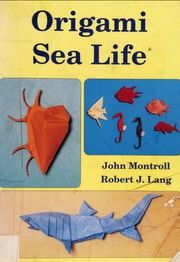 Origami Sea LifeJohn Montroll and Robert J. LangA meditative, hands-on journey that transforms flat paper into intricate, three-dimensional marine life through patience and precision.
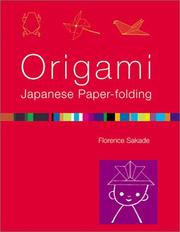 OrigamiSakade, FlorenceA calm, hands-on guide that transforms simple squares of paper into a menagerie of playful shapes.
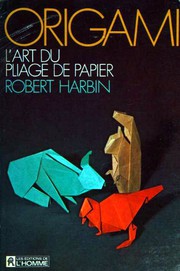 OrigamiRobert HarbinA quiet, tactile journey into the ancient magic of turning a simple square of paper into a three-dimensional wonder.
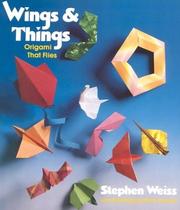 Wings & ThingsStephen WeissA hands-on, meditative guide that transforms flat sheets of paper into soaring moments of childhood joy.
 Genuine OrigamiJun MaekawaA meditative, intellectually rigorous journey into the geometric soul of paper folding.
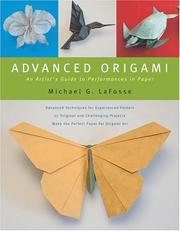 Advanced OrigamiMichael G. LaFosseA meticulous and meditative journey into the high art of paper folding, demanding patience but rewarding with breathtaking beauty.