Books › Ecotopia
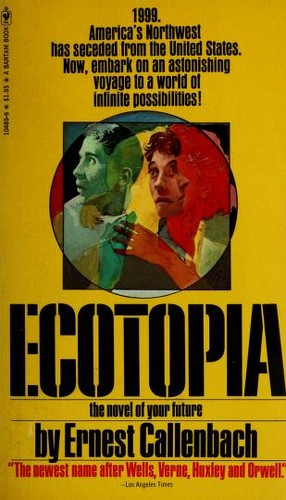
Ecotopia
The Notebooks and Reports of William Weston
First published 1975 · 366 pages
A fascinating, immersive thought experiment that invites you to imagine a radically sustainable and deeply human alternative to modern society.
What it feels like
Reading this book feels like stepping through a portal into a parallel, deeply green world. It unfolds at a steady, deliberate pace, structured as a fascinating blend of objective journalistic reports and intimate, increasingly conflicted diary entries. The mood is earthy and profoundly hopeful, yet grounded in the messy realities of human nature, presenting not a sterile utopia, but a living, breathing society in progress. The prose is straightforward and earnest, serving as a clear window into radical ideas about sustainability, community, and human connection. It is a deeply immersive, thought-provoking experience that will delight environmentalists, counterculture dreamers, and anyone who craves a visionary, optimistic alternative to the relentless grind of modern consumerism.
- Mood
- earthy
- hopeful
- contemplative
- immersive
- Tone
- earnest
- journalistic
- inquisitive
- idealistic
- didactic
- Pace
- steady
- Themes
- ecological harmony · radical reimagining of society · cultural awakening · tension between progress and nature · rejecting consumerism
- The writing
- A blend of crisp, objective reportage and intimate, confessional diary entries that grow increasingly passionate.
- The arc
- The journey shifts from skeptical, detached observation to profound personal transformation and a deep sense of belonging.
- Who it's for
- Readers who crave visionary thought experiments and optimistic, sustainable alternatives to modern consumerism.
Content notes
- sexual content
- ritualistic violence
About the book
Ecotopia: The Notebooks and Reports of William Weston is a utopian novel by Ernest Callenbach, published in 1975. The society described in the book is one of the first ecological utopias and was influential on the counterculture and the green movement in the 1970s and thereafter. The author himself claimed that the society he depicted in the book is not a true utopia (in the sense of a perfect society), but, while guided by societal intentions and values, was imperfect and in-process.
Callenbach said of the story, in relation to Americans: "It is so hard to imagine anything fundamentally different from what we have now. But without these alternate visions, we get stuck on dead center. And we’d better get ready. We need to know where we’d like to go."
Description from Open Library.
Books like Ecotopia
See why they match A Modern UtopiaH. G. WellsA cerebral journey through a meticulously engineered society that asks what humanity must sacrifice to achieve absolute perfection.
 The OverstoryRichard PowersA sprawling, deeply rooted epic that shifts your perception of time and the natural world.
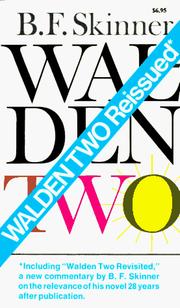 B.F. Skinner's Walden 2Skinner, DavidA provocative, dialogue-driven thought experiment that asks whether sacrificing free will is a fair trade for a perfectly engineered utopia.
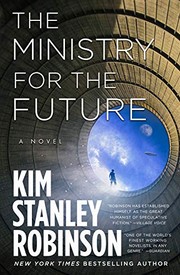 The Ministry for the FutureKim Stanley RobinsonA sweeping, polyphonic blueprint for survival that wades through the terror of the climate crisis to find a pragmatic hope.
 Green IllusionsOzzie ZehnerA provocative, paradigm-shifting critique that strips away the shiny veneer of green technology to reveal the deeper social changes required to save the planet.
 The Ecology of FreedomMurray BookchinA sweeping, interdisciplinary manifesto that traces the roots of human domination and charts a visionary path toward ecological liberation.