Books › Efuru

Efuru
First published 1966 · 288 pages
A quiet, deeply immersive portrait of a woman forging her own path when traditional roles fail her.
What it feels like
Reading this novel feels like sitting in the center of a bustling village, listening to the rhythmic cadence of women's voices as they share the triumphs and heartbreaks of daily life. The pacing is steady and deliberate, mirroring the cyclical nature of seasons and community rituals. It is a deeply grounded, bittersweet experience that immerses you in the complexities of womanhood within a patriarchal society. The prose is direct and unadorned, relying heavily on vibrant dialogue and cultural idioms that give the narrative an authentic, oral storytelling texture. It will deeply satisfy readers who gravitate toward foundational feminist literature and quiet, character-driven stories about resilience, spiritual independence, and the courage to redefine one's worth beyond societal expectations.
- Mood
- communal
- bittersweet
- reflective
- grounded
- Tone
- empathetic
- observational
- dignified
- realistic
- Pace
- steady
- Themes
- the weight of womanhood · community expectations · spiritual independence · the pain of infertility · finding purpose beyond marriage
- The writing
- Direct and conversational, heavily reliant on dialogue and local idioms to evoke the rich oral traditions of Igbo culture.
- The arc
- Moves from the hopeful anticipation of traditional fulfillment through profound personal loss, culminating in a quiet, empowering spiritual awakening.
- Who it's for
- Readers who appreciate foundational feminist literature, rich cultural immersion, and quiet, character-driven stories of resilience.
Content notes
- infertility
- child death
- infidelity
- marital abandonment
About the book
"Appearing in 1966, Efuru was the first internationally published book, in English, by a Nigerian woman. Flora Nwapa (1931-1993) sets her story in a small village in colonial West Africa as she describes the youth, marriage, motherhood, and eventual personal epiphany of a young woman in rural Nigeria. The respected and beautiful protagonist, an independent-minded Ibo woman named Efuru, wishes to be a mother. Her eventual tragedy is that she is not able to marry or raise children successfully. Alone and childless, Efuru realizes she surely must have a higher calling and goes to the lake goddess of her tribe, Uhamiri, to discover the path she must follow. The work, a rich exploration of Nigerian village life and values, offers a realistic picture of gender issues in a patriarchal society as well as the struggles of a nation exploited by colonialism"--Page 4 of cover
Description from Open Library.
Books like Efuru
See why they match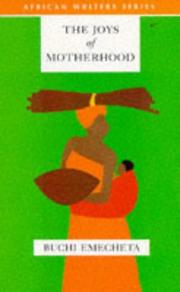 The Joys of MotherhoodBuchi EmechetaA quiet, devastating dismantling of the sacrifices women are expected to make for a society that offers them nothing in return.
 Everything good will comeSefi AttaA fierce and intimate exploration of girlhood, grief, and the divergent paths of two friends navigating a society that demands their submission.
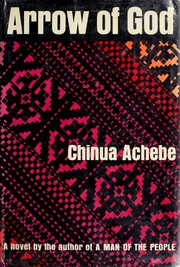 Arrow of GodChinua AchebeA majestic, slow-burn tragedy about a proud spiritual leader caught between the weight of his gods and the encroaching forces of colonial change.
 Things Fall ApartChinua AchebeA dignified, devastating portrait of a proud man and a complex society fracturing under the weight of inevitable change.
 The Thing Around Your NeckChimamanda Ngozi AdidchieA deeply empathetic and sharply observed exploration of displacement, longing, and the quiet collisions between two worlds.
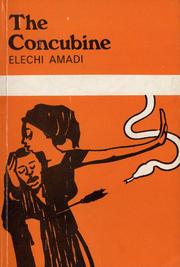 The concubineElechi AmadiA beautifully fatalistic tragedy where mortal love collides with the jealous will of the gods.