Books › El Buen Nombre (Lingua Franca)

El Buen Nombre (Lingua Franca)
First published 2005 · 447 pages
A tender, decades-spanning portrait of a family caught between two worlds, exploring how the names we are given shape the lives we choose.
What it feels like
Reading this novel feels like sifting through a cherished family photo album, watching the years slip by in a beautifully observed blur of domestic life. The pacing is steady and deliberate, mirroring the slow, sometimes painful process of growing up and forging an identity. Lahiri's prose is elegant and deeply sensory, grounding the reader in the rich aromas of Bengali cooking and the stark winters of New England. The mood is wistful and tender, steeped in the melancholic ache of cultural displacement and the quiet chasm between immigrant parents and their American-born children. It is a perfect read for those who love quiet, character-driven sagas that find profound emotional weight in ordinary moments, ultimately offering a bittersweet acceptance of the roots we cannot outrun.
- Mood
- wistful
- intimate
- quietly aching
- Tone
- empathetic
- observant
- melancholic
- tender
- Pace
- steady
- Themes
- cultural displacement · search for identity · generational divides · meaning of home · weight of legacy
- The writing
- Elegant, precise, and deeply sensory, lingering on the physical details of domestic spaces to anchor emotional truths.
- The arc
- Moves from the restless rebellion of youth to a quiet, bittersweet acceptance of one's roots and legacy.
- Who it's for
- Readers who love sweeping, character-driven family sagas that explore the quiet, everyday tragedies and triumphs of ordinary lives.
Content notes
- grief
- death of a parent
- infidelity
About the book
Gogol is named after his father's favourite author. But growing up in an Indian family in suburban America, the boy starts to hate the awkward name and itches to cast it off, along with the inherited values it represents. Determined to live a life far removed from that of his parents, Gogol sets off on his own path only to discover that the search for identity depends on much more than a name.
Description from Open Library.
Books like El Buen Nombre (Lingua Franca)
See why they match Interpreter of MaladiesJhumpa LahiriA masterclass in quiet devastation, capturing the delicate, unspoken distances between people sharing the same room or the same life.
 Unaccustomed EarthJhumpa LahiriA masterclass in the quiet, devastating distances that can exist between people who love each other.
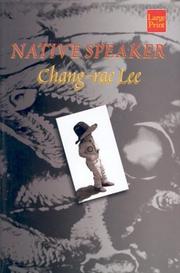 Native speakerChang-rae LeeA beautifully melancholic exploration of identity and alienation wrapped in the quiet tension of an espionage narrative.
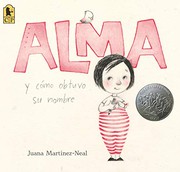 Alma and how she got her nameJuana Martinez-NealA tender, multigenerational journey that transforms a child's curiosity about her long name into a proud celebration of family heritage.
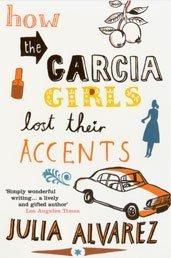 How the Garcia Girls Lost Their AccentsJulia AlvarezA vibrant, reverse-chronological mosaic of sisterhood, memory, and the bittersweet cost of assimilation.
 The Reluctant FundamentalistMohsin HamidA deceptively polite, one-sided conversation over tea that slowly tightens like a snare around your assumptions.