Books › End of the World Is Just the Beginning

End of the World Is Just the Beginning
400 pages
A cheerfully apocalyptic masterclass in how the modern world works and exactly why it is about to fall apart.
What it feels like
Reading this book feels like sitting at a bar with a brilliantly cynical geopolitical strategist who is cheerfully explaining exactly how the world as you know it is ending. The pace is remarkably brisk for a book about supply chains and demographics, pulling you through a dizzying tour of global agriculture, energy, and manufacturing. The mood is a fascinating paradox: deeply foreboding yet intellectually exhilarating. Zeihan's prose is punchy, irreverent, and stripped of academic jargon, using dark humor to make the terrifying fragility of modern systems highly digestible. It is a dread-inducing but utterly captivating experience, perfect for news junkies, armchair historians, and big-picture thinkers who want to understand the tectonic shifts reshaping our fractured future.
- Mood
- foreboding
- intellectually stimulating
- pragmatic
- apocalyptic-adjacent
- Tone
- irreverent
- authoritative
- blunt
- conversational
- darkly comedic
- Pace
- brisk
- Themes
- fragility of modern systems · demographic destiny · geographic determinism · systemic collapse · the illusion of permanence
- The writing
- Punchy, accessible, and conversational, relying on dark humor and blunt metaphors to distill complex global systems into digestible realities.
- The arc
- Moves from a nostalgic appreciation of the recent past into a dizzying, terrifying plunge through systemic collapse, landing on a sobering but pragmatic view of a fractured future.
- Who it's for
- Armchair geopoliticians, investors, and news junkies who crave big-picture systemic analysis delivered with a dose of unsentimental realism.
Content notes
- discussions of famine
- societal collapse
- war and geopolitical conflict
- economic ruin
About the book
2019 was the last great year for the world economy.
For generations, everything has been getting faster, better, and cheaper. Finally, we reached the point that almost anything you could ever want could be sent to your home within days – even hours – of when you decided you wanted it.
America made that happen, but now America has lost interest in keeping it going.
Globe-spanning supply chains are only possible with the protection of the U.S. Navy. The American dollar underpins internationalized energy and financial markets. Complex, innovative industries were created to satisfy American consumers. American security policy forced warring nations to lay down their arms. Billions of people have been fed and educated as the American-led trade system spread across the globe.
All of this was artificial. All this was temporary. All this is ending.
In The End of the World is Just the Beginning, author and geopolitical strategist Peter Zeihan maps out the next world: a world where countries or regions will have no choice but to make their own goods, grow their own food, secure their own energy, fight their own battles, and do it all with populations that are both shrinking and aging.
The list of countries that make it all work is smaller than you think. Which means everything about our interconnected world – from how we manufacture products, to how we grow food, to how we keep the lights on, to how we shuttle stuff about, to how we pay for it all – is about to change.
A world ending. A world beginning. Zeihan brings readers along for an illuminating (and a bit terrifying) ride packed with foresight, wit, and his trademark irreverence.
Description from Open Library.
Books like End of the World Is Just the Beginning
See why they match Changing World OrderRay DalioA sweeping, data-driven lens on the cyclical rise and fall of empires that makes the chaotic present feel historically inevitable.
 The post-American worldFareed ZakariaA clear-eyed, panoramic view of a rapidly changing globe that replaces anxiety with pragmatic optimism.
 How the World Really WorksVaclav SmilA bracing, data-drenched cold plunge into the physical realities and hidden infrastructures that keep modern civilization running.
 The Next 100 YearsGeorge FriedmanA sweeping, provocative thought experiment that treats the future of global power as a grand, predictable chessboard.
 Chip WarChris MillerA sweeping, high-stakes geopolitical thriller disguised as a history of technology.
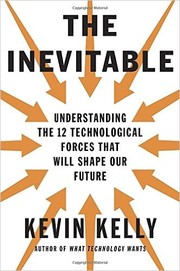 The InevitableKevin KellyA visionary roadmap to the next three decades of technological evolution and societal transformation.