Books › Ender's Game

Ender's Game
512 pages
A gripping, claustrophobic exploration of the crushing weight of expectations and the devastating cost of survival.
What it feels like
Reading this book feels like being locked in a high-pressure chamber where every decision carries the weight of the world. It is a propulsive, intensely cerebral experience that pulls you deep into the isolated mind of a child forced to bear unimaginable burdens. The atmosphere is claustrophobic and relentlessly tense, driven by a clinical yet deeply empathetic narrative voice that refuses to look away from the moral compromises demanded by survival. The prose is sharp and unadorned, focusing entirely on tactical brilliance and the psychological toll of constant manipulation. It will captivate readers who crave science fiction that is as philosophically rigorous as it is action-packed, offering a devastating meditation on empathy, leadership, and the tragic loss of innocence.
- Mood
- claustrophobic
- tense
- cerebral
- isolated
- Tone
- intense
- philosophical
- clinical
- unflinching
- Pace
- propulsive
- Themes
- loss of innocence · burden of leadership · morality of war · empathy as a weapon · manipulation by authority
- The writing
- Direct, accessible, and sharply focused on internal psychology and tactical logic.
- The arc
- A grueling descent into isolation and psychological exhaustion, culminating in a devastating revelation and a fragile search for redemption.
- Who it's for
- Readers who love cerebral, high-stakes sci-fi that wrestles with complex moral questions and the psychological toll of genius.
Content notes
- child abuse
- bullying
- violence
- psychological manipulation
About the book
Ender's Game is a 1985 military science fiction novel by American author Orson Scott Card. Set at an unspecified date in Earth's future, the novel presents an imperiled humankind after two conflicts with the Formics, an insectoid alien species they dub the "buggers". In preparation for an anticipated third invasion, children, including the novel's protagonist, Andrew "Ender" Wiggin, are trained from a very young age by putting them through increasingly difficult games, including some in zero gravity, where Ender's tactical genius is revealed.
The book originated as a short story of the same name, published in the August 1977 issue of Analog Science Fiction and Fact. The novel was published on January 15, 1985. Later, by elaborating on characters and plotlines depicted in the novel, Card was able to write additional books in the Ender's Game series. Card also released an updated version of Ender's Game in 1991, changing some political facts to reflect the times more accurately (e.g., to include the recent collapse of the Soviet Union and the end of the Cold War). The novel has been translated into 34 languages.
Reception of the book has been mostly positive. It has become suggested reading for many military organizations, including the United States Marine Corps. Ender's Game was recognized as "best novel" by the 1985 Nebula Award[3] and the 1986 Hugo Award[4] in the genres of science fiction and fantasy. Its four sequels—Speaker for the Dead (1986), Xenocide (1991), Children of the Mind (1996), and Ender in Exile (2008)—follow Ender's subsequent travels to many different worlds in the galaxy. In addition, the later novella A War of Gifts (2007) and novel Ender's Shadow (1999), plus other novels in the Shadow saga, take place during the same time period as the original.
Description from Open Library.
Books like Ender's Game
See why they match First meetingsOrson Scott CardA thoughtful, dialogue-driven exploration of the minds and moments that shaped a legendary sci-fi universe.
 Ender in ExileOrson Scott CardA contemplative journey through the stars as a brilliant, broken youth tries to outrun his devastating legacy and find a place to belong.
 Starship TroopersRobert Anson HeinleinA rigorous, philosophical plunge into the crucible of interstellar boot camp and the heavy price of citizenship.
 The Forever WarJoe HaldemanA gritty, time-bending military epic that captures the profound alienation of surviving a war that outlasts the world you fought for.
 DuneFrank HerbertA sweeping, sand-swept epic of political betrayal and mystical destiny that feels as vast and unforgiving as a desert.
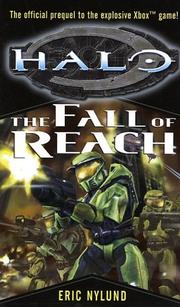 HaloNylund, EricA gritty, desperate plunge into the moral compromises and tragic sacrifices required to save humanity from extinction.