Books › Environmental economics

Environmental economics
First published 1979 · 511 pages
A methodical, scholarly exploration of the intersection between economic development and environmental policy.
What it feels like
Reading this book feels like stepping into a structured university lecture hall. It offers a steady, methodical pace, guiding the reader through the foundational intersections of economic development and environmental policy. The mood is distinctly scholarly and analytical, grounded heavily in academic rigor, complete with extensive bibliographical references and indexes. The prose is instructional and objective, designed to educate rather than entertain, making it a staple for academic syllabi. It will deeply satisfy students, researchers, and policy enthusiasts who appreciate a clear, textbook-style approach to understanding how environmental aspects shape, and are shaped by, economic frameworks.
- Mood
- scholarly
- structured
- analytical
- Tone
- academic
- objective
- informative
- methodical
- Pace
- steady
- Themes
- environmental policy · economic development · academic foundations
- The writing
- Clear, instructional, and heavily referenced, prioritizing clarity and academic rigor over stylistic flourish.
- The arc
- A structured progression from foundational concepts to complex policy analysis.
- Who it's for
- Students, researchers, and policy enthusiasts looking for a foundational, textbook-style approach to environmental economics.
About the book
Includes bibliographical references (p.[446]-459) and indexes.
Description from Open Library.
Books like Environmental economics
See why they match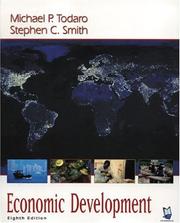 Economic developmentMichael P. Todaro and Stephen C. SmithA comprehensive, grounded journey through the mechanics of global inequality and the pragmatic policies that seek to dismantle it.
 Industrial economicsMartin, StephenA rigorous, deeply researched exploration of industrial organization and economic policy.
 Analytical Development EconomicsKaushik BasuA rigorous, intellectually demanding journey through the mathematical and theoretical frameworks that define global economic inequality.
 Environmental scienceBernard J. NebelA foundational, earnest exploration of our planet's systems that balances sobering ecological realities with a pragmatic call to action.
 Tourism planningEdward InskeepA rigorous, foundational blueprint that transforms the complex web of global travel into a structured, manageable path toward sustainability.
 Business and its environmentDavid P. BaronA weighty, authoritative exploration of the ethical and legal frameworks shaping the corporate world.