Books › Essentials of statistics for the behavioral sciences
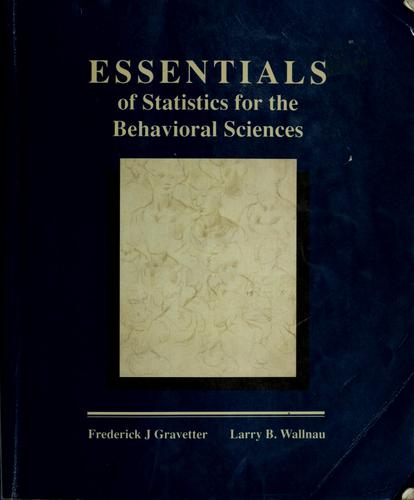
Essentials of statistics for the behavioral sciences
First published 1991 · 576 pages
A patient, structured guide that transforms intimidating mathematical concepts into accessible tools for understanding human behavior.
What it feels like
Reading this is less like scaling a sheer cliff of mathematics and more like taking a guided, methodical hike with a very patient instructor. The atmosphere is distinctly academic but deeply pragmatic, designed specifically to soothe the anxieties of those who dread numbers. It moves at a steady, deliberate pace, building foundational concepts step-by-step before introducing complex formulas. The prose is clear, direct, and encouraging, stripping away unnecessary jargon to reveal the logical mechanics beneath behavioral research. It is an experience of gradual illumination, where the initial fog of statistical theory slowly clears, leaving the reader with a grounded, confident understanding of how to measure and interpret the complexities of the human world.
- Mood
- focused
- academic
- pragmatic
- structured
- Tone
- methodical
- encouraging
- authoritative
- patient
- clear
- Pace
- steady
- Themes
- demystifying mathematics · empirical inquiry · logical reasoning · data-driven understanding
- The writing
- Direct, accessible, and highly structured, prioritizing step-by-step comprehension over academic jargon.
- The arc
- Moves from initial apprehension of complex formulas to a grounded, confident grasp of data analysis.
- Who it's for
- Social science students and researchers seeking a clear, unintimidating bridge into the world of quantitative analysis.
Books like Essentials of statistics for the behavioral sciences
See why they match Statistical concepts for the behavioral sciencesHarold O. KiessA methodical, clear-eyed guide that transforms intimidating data into accessible tools for understanding human behavior.
- Basic statisticsChris SpatzA patient, structured guide that transforms the daunting world of numbers into an accessible toolkit for understanding reality.
 A first course in statisticsJames T. McClave and Terry SincichA structured, methodical journey into the mechanics of data and probability.
 Statistical reasoning in psychology and educationEdward W. MiniumA methodical, foundational journey through the mechanics of empirical research, transforming daunting numbers into clear, actionable insights.
 StatisticsJohn E. FreundA rigorous, no-nonsense journey into the foundational logic of probability and data.
 Foundations of behavioral researchFred N. KerlingerA rigorous, encyclopedic anchor for navigating the complex waters of social science research.