Books › Ethics for the new millennium
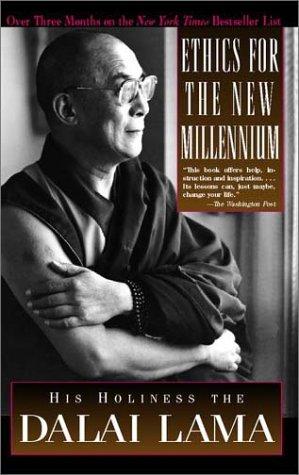
Ethics for the new millennium
First published 1999 · 320 pages
A compassionate, grounding exploration of universal human goodness and the shared pursuit of happiness.
What it feels like
Reading this book feels like sitting down with a wise, deeply compassionate mentor who sees the world's flaws but refuses to surrender to cynicism. The pace is steady and reflective, inviting the reader to pause and consider the fundamental goodness inherent in humanity. It creates a calm, grounding atmosphere, offering a sanctuary from the noise and violence of modern life. The prose is accessible and earnest, stripping away dense religious dogma in favor of universal principles of empathy and moral clarity. It is an uplifting experience that traces a path from worldly uncertainty to spiritual fulfillment. This book will delight anyone seeking a hopeful, inclusive framework for living a happier, more connected life, regardless of their personal faith.
- Mood
- reflective
- uplifting
- calm
- grounding
- Tone
- earnest
- hopeful
- compassionate
- philosophical
- inclusive
- Pace
- steady
- Themes
- basic human goodness · universal morality · pursuit of happiness · empathy and compassion · spiritual fulfillment
- The writing
- Clear, accessible, and deeply compassionate, focusing on universal principles rather than dense dogma.
- The arc
- Moves from acknowledging worldly cynicism to cultivating a grounded, universal hope for human happiness.
- Who it's for
- Readers seeking a grounding, non-sectarian approach to morality, empathy, and personal happiness in an uncertain world.
Content notes
- discussions of violence and cynicism
About the book
In a difficult, uncertain time, it takes a person of great courage, such as the Dalai Lama, to give us hope. Regardless of the violence and cynicism we see on television and read about in the news, there is an argument to be made for basic human goodness. The number of people who spend their lives engaged in violence and dishonesty is tiny compared to the vast majority who would wish others only well. According to the Dalai Lama, our survival has depended and will continue to depend on our basic goodness. Ethics for the New Millennium presents a moral system based on universal rather than religious principles. Its ultimate goal is happiness for every individual, irrespective of religious beliefs. Though the Dalai Lama is himself a practicing Buddhist, his apporach to life and the moral compass that guides him can lead each and every one of us — Muslim, Christian, Jew, Buddhist, or atheist — to a happier, more fulfilling life.
Description from Open Library.
Books like Ethics for the new millennium
See why they match The Universe in a Single AtomDalai Lama XIV Bstan-ʼdzin-rgya-mtshoA contemplative journey bridging the gap between empirical science and spiritual wisdom to find a unified truth.
 The art of happinessHoward C. CutlerA warm, grounding conversation that bridges Eastern spirituality and Western psychology to help you find quiet joy in a chaotic world.
 The book of joyDalai LamaA warm, laughter-filled conversation between two spiritual giants that feels like a soothing balm for a weary soul.
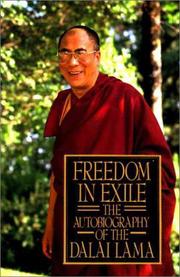 Freedom in exileDalai LamaA gentle but unwavering testament to finding inner peace and maintaining compassion while navigating profound geopolitical tragedy.
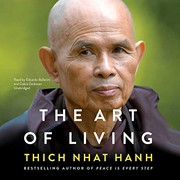 The art of livingThich Nhat HanhA clarifying, peaceful meditation on finding profound joy and interconnectedness in the present moment.
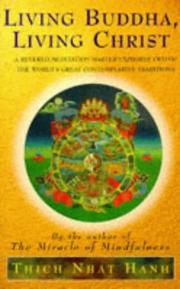 Living Buddha, living ChristNhat Hanh, ThichA gentle, bridge-building meditation that invites you to find the shared heartbeat of two great spiritual traditions.