Books › Exercise physiology

Exercise physiology
energy, nutrition, and human performance
First published 1981 · 1158 pages
A rigorous, comprehensive deep dive into the biological machinery of human movement and athletic potential.
What it feels like
Reading this foundational text feels like stepping into a high-tech sports science laboratory. The experience is methodical and deeply informative, demanding steady focus as it unpacks the complex biochemical and mechanical systems that drive human performance. It is not a breezy weekend read; rather, it is a dense, rewarding climb through the absolute science of how we move, breathe, and fuel ourselves. The prose is authoritative and precise, heavily supported by charts, graphs, and clinical data that leave no physiological stone unturned. This book delights the analytical mind—kinesiology students, elite coaches, and data-driven athletes—who crave the rigorous truth of cellular respiration and muscle hypertrophy over superficial fitness trends, offering a profound appreciation for the human machine.
- Mood
- clinical
- focused
- intellectual
- rigorous
- Tone
- academic
- authoritative
- objective
- informative
- Pace
- steady
- Themes
- the mechanics of movement · human physical potential · scientific inquiry · fueling the body · biological optimization
- The writing
- Dense, highly structured, and scientifically precise, relying heavily on data, charts, and clinical terminology.
- The arc
- Moves from a baseline curiosity about physical exertion to a profound, empowering mastery of the body's underlying mechanics.
- Who it's for
- Kinesiology students, sports medicine professionals, and data-driven coaches who want the hard science behind athletic training.
About the book
Booklet contains Internet access information.
Includes bibliographical references and index.
Description from Open Library.
Books like Exercise physiology
See why they match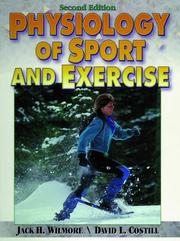 Physiology of sport and exerciseJack H. Wilmore and W. Larry KenneyA comprehensive, scientifically rigorous deep dive into the miraculous machinery of the human body in motion.
 NutritionFrances Sizer Webb, Eleanor Noss Whitney and othersA comprehensive, structured journey through the science of what we eat and how it fuels the human machine.
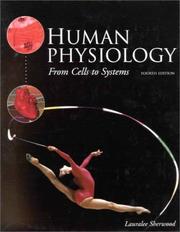 Human PhysiologyLauralee SherwoodA rigorous, methodical exploration of the human body's biological mechanics, from the microscopic to the macroscopic.
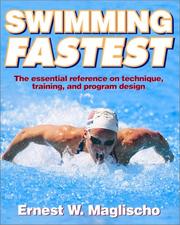 Swimming fastestErnest W. MaglischoA deep, rigorous dive into the biomechanics and physiology of peak aquatic performance.
 Guyton and Hall textbook of medical physiologyJohn E. HallAn authoritative, comprehensive deep dive into the intricate mechanics of the human body.
 Nutrition and physical fitnessLotta Jean BogertA methodical, mid-century academic exploration of how food fuels the human machine.