Books › Fences

Fences
First published 1986 · 128 pages
A towering, emotionally devastating masterclass in dialogue that explores the suffocating weight of thwarted dreams and generational trauma.
What it feels like
Reading this play feels like sitting on a porch on a humid summer evening, watching a storm slowly gather and inevitably break. The experience is anchored by its towering, rhythmic dialogue, which sings with the authentic cadence of 1950s working-class life while carrying the heavy, poetic weight of a Greek tragedy. It moves at a steady, deliberate pace, building a deeply claustrophobic and tense atmosphere as the walls of duty, pride, and resentment close in on the characters. You feel the suffocating ache of thwarted ambition and the sharp sting of generational trauma in every scene. It is a profound, emotionally devastating read perfect for those who crave raw, character-driven dramas that confront the messy, painful complexities of family, legacy, and systemic injustice without offering easy absolutions.
- Mood
- claustrophobic
- tense
- melancholic
- heavy
- Tone
- raw
- confrontational
- poignant
- tragic
- Pace
- steady
- Themes
- generational trauma · thwarted ambition · father-son conflict · systemic racism · duty versus desire
- The writing
- The dialogue is rhythmic, poetic, and deeply grounded in the vernacular of working-class Black Americans in the 1950s.
- The arc
- A slow, agonizing fracture of a family unit that culminates in a complex, bittersweet reckoning with a flawed patriarch's legacy.
- Who it's for
- Readers who appreciate character-driven, emotionally heavy dramas that explore the messy, painful realities of family and systemic injustice.
Content notes
- racism
- infidelity
- emotional abuse
- death of a parent
About the book
During the 1950's Troy Maxson struggles against racism and tries to preserve his feelings of pride in himself.
Description from Open Library.
Books like Fences
See why they match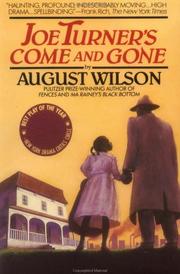 Joe Turner's come and goneAugust WilsonA haunted, dramatic exploration of freedom and the lingering chains of the past within a bustling boardinghouse.
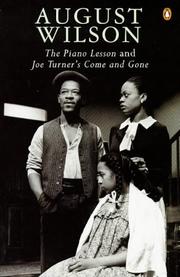 The Piano LessonAugust WilsonA haunted, lyrical clash between siblings over whether to sell their family's painful past to buy a piece of the future.
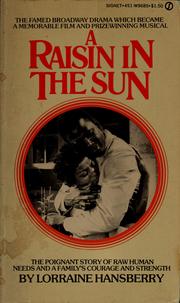 A Raisin in the SunLorraine HansberryA searing, intimate portrait of a family fighting to keep their dreams alive in a world designed to crush them.
 "Master Harold"-- and the boysAthol FugardA devastating, single-room tragedy where the easy warmth of surrogate family is poisoned by the sudden, sharp intrusion of systemic bigotry.
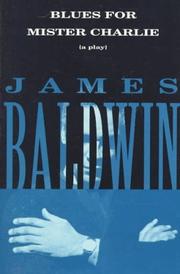 Blues For Mister CharlieJames BaldwinA searing, explosive theatrical inquest into the soul of a divided nation, where every character is forced to confront the devastating cost of complicity.
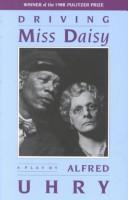 Driving Miss DaisyAlfred UhryA quietly moving portrait of two stubborn souls finding profound kinship across the divides of race, class, and time.