Books › Flowers for Algernon

Flowers for Algernon
543 pages
A devastatingly intimate diary of a mind blooming into brilliance before inevitably withering away.
What it feels like
Reading this book is an exercise in profound, inescapable empathy. Because the narrative unfolds entirely through intimate progress reports, you are trapped inside the protagonist's mind, experiencing every phonetic misspelling and grammatical leap as a visceral marker of his changing reality. The pace is steady but carries a heavy sense of impending doom, pulling you from innocent, earnest hope into the cold, isolating heights of genius, and finally down into a heartbreaking descent. The prose itself is the greatest character, morphing from childlike simplicity to erudite complexity and back again. It is a deeply melancholic, thought-provoking experience that lingers long after the final page. This is a perfect read for those who want science fiction that prioritizes the fragile, tragic beauty of the human condition, guaranteeing a devastating emotional catharsis.
- Mood
- melancholic
- empathetic
- heartbreaking
- claustrophobic
- Tone
- earnest
- poignant
- introspective
- tragic
- Pace
- steady
- Themes
- the burden of intelligence · isolation and loneliness · ethics of human experimentation · nature of personhood · fleeting brilliance
- The writing
- Mirrors the protagonist's cognitive state, shifting seamlessly from phonetically misspelled simplicity to complex, erudite fluency, and tragically back again.
- The arc
- Begins with innocent hope, climbs to arrogant but lonely brilliance, and descends into devastating, self-aware loss.
- Who it's for
- Readers who appreciate deeply psychological, character-driven science fiction that explores the human condition and guarantees a profound emotional catharsis.
Content notes
- ableism and slurs
- animal death
- cognitive decline
- bullying
- institutionalization
About the book
Until he was thirty-two, Charlie Gordon --gentle, amiable, oddly engaging-- had lived in a kind of mental twilight. He knew knowledge was important and had learned to read and write after a fashion, but he also knew he wasn't nearly as bright as most of the people around him. There was even a white mouse named Algernon who outpaced Charlie in some ways. But a remarkable operation had been performed on Algernon, and now he was a genius among mice. Suppose Charlie underwent a similar operation...
Description from Open Library.
Books like Flowers for Algernon
See why they match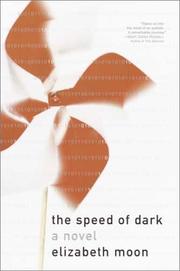 The Speed of DarkElizabeth MoonA deeply empathetic, quietly profound exploration of identity, neurodiversity, and the ethical boundaries of medical advancement.
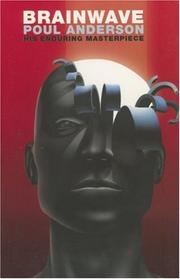 BrainwavePoul AndersonA sweeping, speculative thought experiment about a world turned upside-down by a sudden, universal explosion of intelligence.
 The minds of Billy MilliganDaniel KeyesA chilling, meticulously documented descent into a fractured mind that blurs the line between true crime and psychological horror.
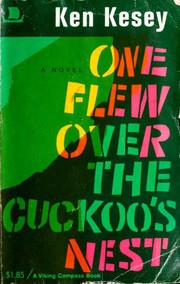 One Flew Over the Cuckoo's NestKen KeseyA hallucinatory, darkly comic rebellion against the crushing weight of conformity that leaves you both devastated and fiercely awake.
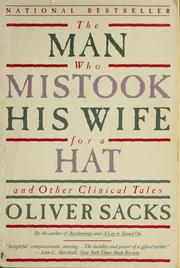 The Man Who Mistook His Wife for a HatOliver SacksA deeply empathetic and beautifully written exploration of the bizarre ways the human brain can misfire, revealing the fragile essence of who we are.
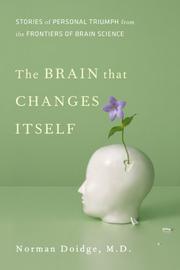 The Brain That Changes ItselfNorman DoidgeAn awe-inspiring exploration of human resilience that will fundamentally change how you view your own mind's potential.