Books › Fugitive Pieces

Fugitive Pieces
394 pages
A breathtakingly poetic meditation on how we carry the ghosts of our past and slowly rebuild our souls through language and love.
What it feels like
Reading this novel feels like sifting through the archaeological layers of a wounded soul. It is a deeply leisurely, contemplative experience, demanding that you slow down to savor its intensely lyrical, metaphor-rich prose. The atmosphere is heavy with a haunting melancholy, yet it is continually pierced by moments of luminous beauty and profound philosophical insight. Rather than rushing through a plot, the narrative meanders through the landscapes of memory, grief, and the restorative power of language. It is a book that washes over you, immersing you in the quiet devastation of intergenerational trauma and the slow, fragile process of healing. Readers who cherish gorgeous sentences and don't mind a story that prioritizes emotional texture over forward momentum will find themselves completely spellbound.
- Mood
- haunting
- melancholic
- luminous
- contemplative
- Tone
- elegiac
- lyrical
- philosophical
- reverent
- Pace
- leisurely
- Themes
- the weight of memory · intergenerational trauma · healing power of language · persistence of grief · geology of the soul
- The writing
- Intensely lyrical and dense with metaphor, the sentences are crafted with the breathtaking precision and rhythm of poetry.
- The arc
- The journey moves from the suffocating darkness of profound, unspeakable loss toward a fragile, luminous acceptance forged through love and language.
- Who it's for
- Readers who savor gorgeous, slow-burning prose and are drawn to deeply internal, philosophical explorations of trauma and survival.
Content notes
- Holocaust trauma
- grief and mourning
- war violence
- death of family members
About the book
Anne Michaels's fiercely beautiful debut novel tells the interlocking stories of three men of different generations whose lives are transformed by the events and shifting effects of the same war. At its center is poet Jakob Beer: traumatically orphaned as a young boy during the Second World war, rescued from the mud of a buried Polish city and secreted to a Greek island by Athos Roussos, scientist, scholar, and, above all, humanist.
After the war, in Toronto, where Athos has accepted a teaching post at the University, Jakob is faced with the tangible, insistent nature of the recent past: his own surfacing in all its darkness and profundity, the question of his beloved sister's fate its harrowing focus. Yet this is also the time when he meets the woman who will become his first wife, and begins his life-long work as a translator and poet.
And in this layered process of reentering life, Jakob learns the power of language - to destroy, to omit, and to obliterate; but also to witness and tell, conjure and restore.
And it is in Toronto as well that, late in his life, Jakob will cross paths with Ben: a young professor, expert in the dramas of weather and biography but naive in the drama of his own life. The quiet elation Ben senses in the older man, and Ben's own connection to the wounding legacies of the war, kindle a fascination with Jakob and his writing, upsetting and then opening that part of himself long since shut down against his knowledge of the past.
Description from Open Library.
Books like Fugitive Pieces
See why they match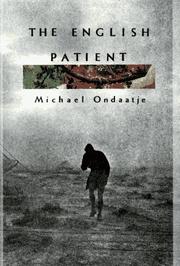 The English PatientMichael OndaatjeA fever dream of memory, love, and ruin set in a crumbling Italian villa at the edge of war.
 The warsTimothy FindleyA fragmented, devastating descent into the mud and madness of the trenches, where the only sanity left is a desperate act of rebellion.
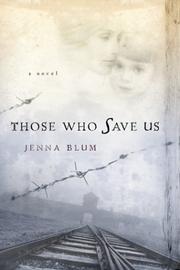 Those Who Save UsJenna BlumA haunting exploration of inherited guilt and the heartbreaking lengths a mother will go to survive.
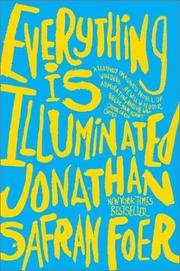 Everything Is IlluminatedJonathan Safran FoerA hilarious, linguistically inventive road trip that slowly peels back its absurd layers to reveal a devastating core of historical grief.
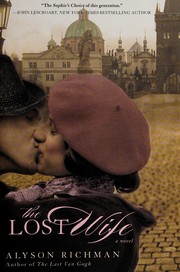 The lost wifeAlyson RichmanA heartbreaking historical romance that contrasts the fragile beauty of young love with the devastating currents of war.
 Fifth BusinessRobertson DaviesA wry, myth-haunted confession of a lifelong rivalry and the hidden magic lurking beneath a quiet academic life.