Books › Genie

Genie
First published 1993 · 256 pages
A heartbreaking and thought-provoking exploration of language, humanity, and the ethical failures of those who seek to study it.
What it feels like
Reading this book feels like stepping into a profound and deeply melancholic exploration of what it means to be human. The narrative unfolds at a steady, deliberate pace, skillfully weaving the heartbreaking reality of extreme childhood trauma with the complex, often bitter ethical debates of the scientific community. The mood is both intellectually stimulating and emotionally devastating, balancing the cautious hope of a young girl's emergence into the world with the tragic consequences of ambition and jealousy among those who claimed to care for her. The prose is empathetic yet analytical, offering a deeply moving case study that avoids sensationalism. It will captivate readers who are drawn to narrative non-fiction that grapples with the intersections of psychology, linguistics, and the profound responsibilities of human connection.
- Mood
- heartbreaking
- thought-provoking
- melancholic
- Tone
- empathetic
- analytical
- somber
- reflective
- Pace
- steady
- Themes
- the nature of humanity · language and connection · scientific ethics · childhood trauma and recovery · ambition and exploitation
- The writing
- Skillfully woven and deeply moving, balancing clinical observation with profound human empathy.
- The arc
- Moves from profound tragedy and cautious hope to bitter disillusionment and lingering sorrow.
- Who it's for
- Readers who appreciate narrative non-fiction that explores complex psychological case studies and the ethical boundaries of science.
Content notes
- child abuse
- extreme neglect
- medical and scientific exploitation
About the book
When a young girl and her nearly blind mother wandered into a welfare office in Los Angeles in November 1970, it marked the end of thirteen years of terrible abuse. "Protected" by her deranged father, the girl, Genie, had spent her entire childhood strapped to a chair in the back bedroom of a virtually silent suburban house. She was small and withered, with a shuffling walk, she showed no perception of heat and cold, and she could barely speak.
Her emergence into the world created great excitement among scientists of all descriptions, but especially linguists. Here was an opportunity to study a child who had grown up without language or any form of social training. She was an unusual and special gift, for she might provide answers to their unresolved questions about how the human brain acquires language.
As Genie began her life over with the rudiments - how to walk, how to chew, how to talk - her experience gave eloquent answer to those questions, and to a deeper mystery: what it means to be human.
The scientists working with Genie were unprepared for the profound effect she would have on their lives; she captivated all she encountered with her charming, compelling presence. They became her friends, companions, and family, showering her with attention, culture, and affection, until ambition, jealousy, and misunderstandings obstructed Genie's progress and led to her eventual disappearance.
Skillfully weaving the tale of Genie's hesitant progress toward adulthood with the bitter ethical debates over her treatment, Russ Rymer presents a deeply moving case study and explores complex linguistic theories in an accessible and entertaining nauative. Genie's story is illuminating and ultimately tragic. It is all the more extraordinary for being true.
Description from Open Library.
Books like Genie
See why they match The boy who was raised as a dogBruce Duncan Perry and Maia SzalavitzA compassionate, eye-opening exploration of how extreme trauma shapes the developing brain and the innovative therapies that offer a path to healing.
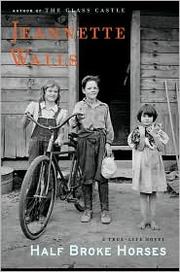 Half broke horsesJeannette WallsA dusty, unsentimental ride alongside a fiercely independent woman carving her own path through the American Southwest.
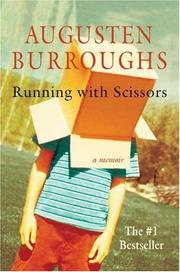 Running with ScissorsAugusten BurroughsA hilariously horrifying plunge into a childhood where the adults are the lunatics and survival requires a razor-sharp sense of irony.
 A man named DaveDavid J. PelzerA raw, unflinching exploration of carrying childhood scars into adulthood and the arduous, triumphant work of finally letting them go.
 Let me hear your voiceCatherine MauriceA fierce, emotionally grueling, and ultimately triumphant journey through the labyrinth of a life-altering diagnosis.
 A shining afflictionAnnie G. RogersA raw, poetic exploration of the fragile boundary between healing others and losing oneself.