Books › Gilead

Pulitzer Prize for Fiction 2005
Gilead
First published 2004 · 389 pages
A luminous, quiet meditation on grace, mortality, and the sacred beauty of an ordinary life.
What it feels like
Reading this book feels like sitting on a porch in the late afternoon light, listening to a wise, gentle voice recount the quiet miracles and deep sorrows of a long life. The pace is decidedly leisurely, unfolding through the intimate, unhurried rhythms of a letter written by a dying father to his young son. It is a deeply spiritual reading experience, bathed in an autumnal, luminous mood that makes the ordinary world feel sacred. The prose is breathtakingly precise and poetic, demanding to be savored slowly rather than rushed. It will profoundly delight readers who love philosophical, character-driven fiction, and those who seek a quiet, elegiac exploration of grace, generational legacy, and the profound beauty of simply being alive.
- Mood
- autumnal
- luminous
- quiet
- peaceful
- Tone
- reverent
- contemplative
- elegiac
- intimate
- Pace
- leisurely
- Themes
- grace and forgiveness · the weight of legacy · fathers and sons · beauty of the ordinary · mortality
- The writing
- Luminous, precise, and deeply poetic, moving with the gentle, unhurried rhythm of a quiet prayer.
- The arc
- Moves from a quiet anxiety about leaving a young son behind to a profound, peaceful acceptance of grace and the beauty of existence.
- Who it's for
- Readers who savor quiet, philosophical fiction and find profound beauty in theological reflection and the slow unfolding of an ordinary life.
Content notes
- terminal illness
- aging
- grief
- historical racism
About the book
WINNER OF THE 2005 PULITZER PRIZE FOR FICTION
In 1956, toward the end of Reverend John Ames’s life, he begins a letter to his young son, an account of himself and his forebears. Ames is the son of an Iowan preacher and the grandson of a minister who, as a young man in Maine, saw a vision of Christ bound in chains and came west to Kansas to fight for abolition: He “preached men into the Civil War,” then, at age fifty, became a chaplain in the Union Army, losing his right eye in battle.
Reverend Ames writes to his son about the tension between his father—an ardent pacifist—and his grandfather, whose pistol and bloody shirts, concealed in an army blanket, may be relics from the fight between the abolitionists and those settlers who wanted to vote Kansas into the union as a slave state. And he tells a story of the sacred bonds between fathers and sons, which are tested in his tender and strained relationship with his namesake, John Ames Boughton, his best friend’s wayward son.
Gilead is the long-hoped-for second novel by one of our finest writers, a hymn of praise and lamentation to the God-haunted existence that Reverend Ames loves passionately, and from which he will soon part.
Description from Open Library.
Books like Gilead
See why they match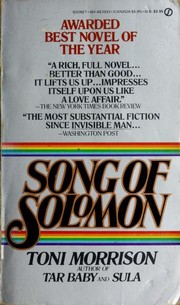 Song of SolomonToni MorrisonA mythic, soaring journey through ancestry and identity that blends the gritty reality of the American Rust Belt with the transcendent magic of folklore.
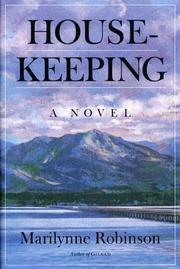 HousekeepingMarilynne RobinsonA luminous, water-logged meditation on grief, transience, and the quiet unraveling of a family.
 A thousand acresJane SmileyA simmering, devastating unearthing of the rot beneath the idyllic surface of the American heartland.
 TinkersPaul HardingA heartbreaking yet life-affirming meditation on memory, nature, and the collapse of time at the end of a life.
 A Prayer for Owen MeanyJohn IrvingA sprawling, tragicomic meditation on faith, destiny, and the enduring ghosts of childhood friendship.
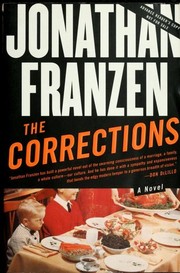 The CorrectionsJonathan FranzenA sprawling, tragicomic dissection of a deeply dysfunctional American family colliding over one final, fraught holiday.