Books › Graphic Design
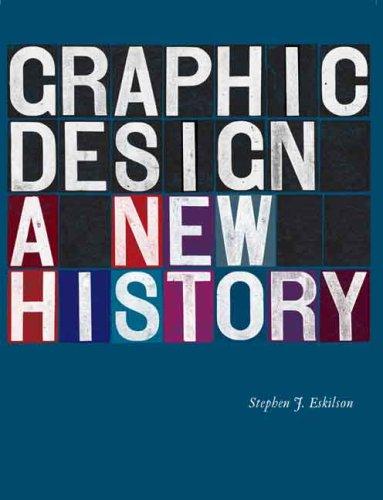
Graphic Design
472 pages
A comprehensive, visually rich journey through the history of how we communicate ideas, art, and commerce.
What it feels like
Reading this book feels like walking through a meticulously curated museum of visual culture, guided by an expert who knows exactly how every poster, typeface, and app interface connects to the broader sweep of history. The pace is steady and deliberate, allowing you to linger over the rich illustrations while absorbing the clear, authoritative prose. It is an intellectual and visually stimulating experience, shifting your perspective so that you begin to see the invisible architecture of design in your everyday life. The mood is academic yet deeply appreciative of the craft, making it a deeply satisfying read for visual thinkers. It will delight design students, working creatives, and anyone fascinated by the intersection of art, technology, and society.
- Mood
- intellectual
- visually-driven
- structured
- contemplative
- Tone
- authoritative
- analytical
- informative
- objective
- appreciative
- Pace
- steady
- Themes
- the evolution of visual culture · intersection of art and commerce · design as social commentary · technological shifts in communication
- The writing
- Clear, academic yet accessible, and meticulously structured to contextualize complex visual movements.
- The arc
- A journey from historical curiosity to a profound appreciation for the invisible visual architecture of our modern world.
- Who it's for
- Design students, visual artists, and curious creatives who want to understand the historical forces shaping the media they consume and create.
About the book
"Now in its third edition, this acclaimed survey explores the evolution of graphic design from the 19th century to the present day. Following an exploration of design's prehistory in ancient civilizations through the Industrial Revolution, author Stephen J. Eskilson argues that modern design as we know it grew out of the influence of Victorian-age reformers. He traces the emergence of modernist design styles in the early 20th century, examining the wartime politicization of regional styles. Richly contextualized chapters chronicle the history of the Bauhaus and the rise of the International Style in the 1950s and '60s, and the postmodern movement of the 1970s and '80s. Contemporary considerations bring the third edition up to date, with discussions of app design, social media, emojis, big data visualization, and the use of animated graphics in film and television. The contemporary phenomenon of the citizen designer, professionals who address societal issues either through or in addition to their commercial work, is also addressed, highlighting protagonists like Bruce Mau and the Center for Urban Pedagogy. This edition also features 45 additional images, an expanded introduction and epilogue, and revised text throughout. A newly redesigned interior reinforces the fresh contents of this now-classic volume." -- Publisher's description
Description from Open Library.
Books like Graphic Design
See why they match Euro decoSteven Heller and Louise FiliA sophisticated exploration of the elegant intersection between modern art and commercial design in early twentieth-century Europe.
 The Elements of Typographic StyleRobert BringhurstA poetic and authoritative masterclass in the invisible architecture of the written word.
 Making and breaking the gridRockport PublishersA masterclass in the architecture of visual space that teaches you the rules just so you can beautifully destroy them.
 Production for graphic designersAlan PipesA grounding, comprehensive manual that demystifies the journey from creative concept to tangible, printed reality.
 The world history of animationStephen CavalierA sweeping, visually stunning journey through a century of bringing drawings, clay, and pixels to vibrant life.
 The story of artErnst Hans GombrichA warm, conversational stroll through the entire history of human creativity with the world's most patient museum guide.