Books › Guadalcanal diary
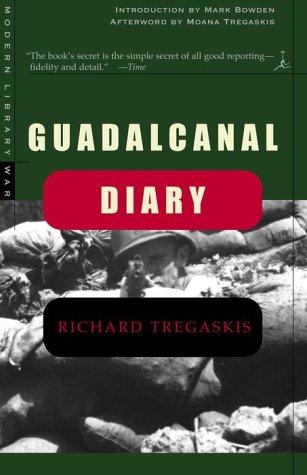
Guadalcanal diary
263 pages
A gritty, boots-on-the-ground dispatch that drops you directly into the humid, terrifying reality of jungle warfare.
What it feels like
Reading this book feels like crouching in a humid, mosquito-swarmed foxhole while history explodes around you. Because it is written as a real-time diary, the narrative lacks the polished hindsight of later memoirs, offering instead a raw, visceral immediacy. The prose is crisp and journalistic, capturing both the sheer terror of sudden bombardments and the agonizing, exhausting stretches of waiting in between. You feel the grit, the hunger, and the fierce camaraderie of men pushed to their absolute limits. It is a brisk, unvarnished read that doesn't romanticize the battlefield, but rather documents it with an earnest, observant eye. This is a must-read for anyone who wants to experience the visceral, day-to-day reality of combat rather than just studying its tactical maps.
- Mood
- tense
- exhausted
- perilous
- gritty
- Tone
- journalistic
- matter-of-fact
- earnest
- observant
- Pace
- brisk
- Themes
- brotherhood in combat · the randomness of survival · psychological toll of waiting · man versus nature
- The writing
- Crisp, unadorned, and highly observant, the writing carries the urgent, immediate cadence of a war correspondent's field notebook.
- The arc
- The journey shifts from the anxious, coiled anticipation of the initial landing to the chaotic shock of combat, ultimately settling into a grim but resolute endurance.
- Who it's for
- Military history buffs and readers who crave unfiltered, boots-on-the-ground accounts of historical conflicts will devour this immersive diary.
Content notes
- graphic war violence
- death of comrades
- historical racial slurs
- combat trauma
About the book
"This classic gives a soldier's-eye-view of the Guadalcanal battles - crucial to World War II, the war that continues to fascinate us all, and to military history in general. Unlike some of those on Guadalcanal in the fall of 1942, Richard Tregaskis volunteered to be there.
An on-location news correspondent (at the time, one of only two on Guadalcanal), he lived alongside the soldiers: sleeping on the ground - only to be awoken by air raids - eating the sometimes meager rations, and braving some of the most dangerous battlefields of World War II. He more than once narrowly escaped the enemy's fire, and so we have this incisive and exciting inside account of the groundbreaking initial landing of U.S. troops on Guadalcanal."--BOOK JACKET.
Description from Open Library.
Books like Guadalcanal diary
See why they match The Thin Red LineJames JonesA grueling, unflinching descent into the psychological meat grinder of combat that strips away all illusions of glory.
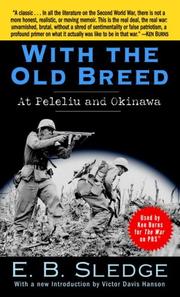 With the Old BreedE.B. SledgeA harrowing, unvarnished descent into the physical and psychological hell of combat, anchored by the profound bonds of brotherhood.
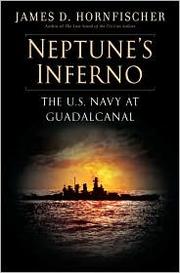 Neptune's InfernoJames D. HornfischerA visceral, harrowing plunge into the brutal realities of naval warfare and the immense human cost of a turning point in history.
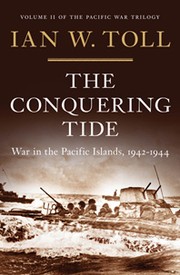 The conquering tideIan W. TollA sweeping, authoritative immersion into the strategic depths and immense scale of World War II naval combat.
 The Greatest GenerationTom BrokawA reverent tapestry of ordinary lives shaped by extraordinary historical crucibles.
 "The Good War"Studs TerkelA sprawling, intimate chorus of ordinary voices dismantling the myths of a legendary conflict to reveal the raw humanity underneath.