Books › Harriet Tubman
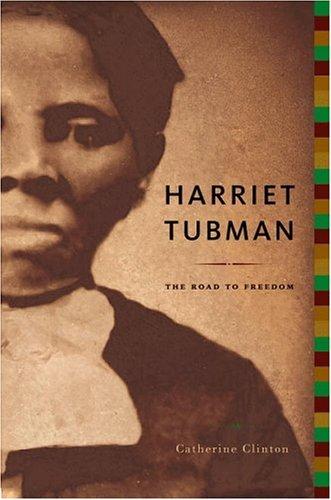
Harriet Tubman
the road to freedom
402 pages
A riveting, awe-inspiring immersion into the life of a complex woman who defied simple categories to forge a path to liberation.
What it feels like
This riveting biography reads with a propulsive urgency, immersing the reader in the harrowing yet awe-inspiring reality of a singular historical figure. The narrative tone is authoritative and deeply nuanced, stripping away simple mythologies to reveal a complex woman driven by faith, duty, and unimaginable courage. As the emotional arc moves from the brutal traumas of enslavement to the tense, brazen triumphs of liberation and warfare, the prose remains sharply focused and compelling. It is a deeply experiential read that captures the physical danger and spiritual resilience required to dismantle oppressive systems. This book will thoroughly delight readers who crave meticulously researched, character-driven histories about defiant women who shattered boundaries and reshaped the world.
- Mood
- tense
- awe-inspiring
- harrowing
- urgent
- Tone
- authoritative
- reverent
- nuanced
- earnest
- Pace
- propulsive
- Themes
- courage against impossible odds · the complexity of heroism · sacrifice and duty · the fight for liberation · faith and resilience
- The writing
- Riveting and authoritative, weaving complex historical realities into a compelling, character-driven narrative.
- The arc
- Moves from the harrowing trauma of enslavement to the awe-inspiring tension of brazen, defiant liberation.
- Who it's for
- Readers who crave nuanced, deeply researched histories of singular, defiant women who changed the course of history.
Content notes
- slavery
- severe physical injury
- trauma
- warfare
About the book
Who was Harriet Tubman? To John Brown, the leader of the Harpers Ferry slave uprising, she was General Tubman. For those slaves whom she led north to freedom, she was Moses. To the slavers who hunted her down, she was a thief and a trickster. To abolitionists she was a prophet. As Catherine Clinton shows in this riveting biography, Harriet Tubman was, above all, a singular and complex woman, defeating simple categories. Illiterate but deeply religious, Harriet Tubman was raised on the Eastern Shore of Maryland in the 1820s, not far from where Frederick Douglass was born. As an adolescent, she incurred a severe head injury when she stepped between a lead weight thrown by an irate master and the slave it was meant for. She recovered but suffered from visions and debilitating episodes for the rest of her life. While still in her early twenties she left her family and her husband, a free black, to make the journey north alone. Yet within a year of her arrival in Philadelphia, she found herself drawn back south, first to save family members slated for the auction block, then others. Soon she became one of the most infamous enemies of slaveholders. She established herself as the first and only woman, the only black, and one of the few fugitive slaves to work as a conductor on the Underground Railroad. In the decade leading up to the Civil War, Tubman made over a dozen trips south in raids that were so brazen and so successful that a steep price was offered as a bounty on her head. When the Civil War broke out, she became the only woman to officially lead men into battle, acting as a scout and a spy while serving with the Union Army in South Carolina. Long overdue, Harriet Tubman: The Road to Freedom is the first major biography of this pivotal character in American history, written by an acclaimed historian of the antebellum and Civil War eras. With impeccable scholarship drawing on newly available sources and research into the daily lives of the slaves in the border states, Catherine Clinton brings Harriet Tubman to life as one of the most important and enduring figures in American history.
Description from Open Library.
Books like Harriet Tubman
See why they match Frederick DouglassDavid W. BlightA sweeping, authoritative immersion into the life and mind of a brilliant orator who bent the arc of American history.
 Freedom TrainDorothy SterlingA stirring, accessible journey through the shadows of history, guided by the unwavering light of human courage.
 The Underground RailroadColson WhiteheadA harrowing, surreal odyssey through the darkest chapters of American history, propelled by an unyielding will to survive.
 Narrative of the life of Frederick DouglassFrederick DouglassA searing, eloquent testament to the human will to be free, forged in the crucible of America's darkest institution.
 Incidents in the Life of a Slave GirlHarriet A. JacobsA harrowing, deeply personal testament to a mother's unbreakable will to secure freedom and bodily autonomy against insurmountable odds.
 Who Was Frederick Douglass?April Jones PrinceAn accessible, earnest journey into the life of a monumental voice for freedom and equality.