Books › Hitler

Hitler
A Study in Tyranny
First published 1964 · 886 pages
A monumental, chillingly analytical dissection of how a fringe fanatic manipulated his way to absolute, catastrophic power.
What it feels like
Reading this foundational biography feels like stepping into a masterclass on the anatomy of totalitarianism. The pace is steady and deliberate, guiding you through a meticulously structured narrative that never loses its grip. Bullock's prose is authoritative and clear, stripping away the mythos to expose the brutal, calculating mechanics of political manipulation. The mood is undeniably somber and chilling, steeped in a foreboding sense of inevitability as the narrative marches toward global catastrophe. It is an emotionally heavy but intellectually gripping experience, demanding your full attention while rewarding it with profound historical clarity. This book will deeply satisfy history enthusiasts, political junkies, and anyone seeking to understand the terrifying fragility of democratic institutions in the face of relentless fanaticism.
- Mood
- somber
- chilling
- oppressive
- foreboding
- Tone
- authoritative
- analytical
- objective
- scholarly
- penetrating
- Pace
- steady
- Themes
- mechanics of power · psychology of fanaticism · mass manipulation · fragility of democracy · anatomy of totalitarianism
- The writing
- Meticulously structured and highly readable, balancing academic rigor with a compelling, narrative-driven clarity.
- The arc
- Begins with clinical curiosity regarding a fringe radical and descends into a heavy, suffocating dread as his catastrophic vision becomes reality.
- Who it's for
- Readers fascinated by 20th-century history and the dark mechanics of political power who appreciate exhaustive, foundational biographies.
Content notes
- antisemitism
- genocide
- mass violence
- war
- political extremism
About the book
Imported from Britain, with its penetrating use of relatively new source material, its well sustained narrative, its deep concentration on the man, this book should prove one of the best studies to date. The author has a fine record as an Oxford historian—he is now Censor of St. Catherine's—and states as his aim the determination of Hitler's fantastic wielding of power. He does this chronologically and with a sense of episode that makes every word readable and that brings the historical background into clear relief. The survey of Hitler's parentage is explicit as the possible emotional causes of his fanaticism, his utterly frustrative attitude toward the Germanic status quo that made him into the lying, brutal conniver who "acknowledged no masters". A lengthy follow-up takes him and his generating, generated causes through first post-WWI attempts, failure in the twenties, the depression in 1930 that swung the balance needle in his favor and allowed him successes by putsch, chancellorship, speech, extermination and invasion. Intensive examination of roles played by his henchmen, military and economic factions, and foreign negligence further clarify the techniques of lie and propaganda. A familiar period that deserves the re-emphasis and reinterpretation it gets here. A must for workers in the field. Kirkus Reviews
Description from Open Library.
Books like Hitler
See why they match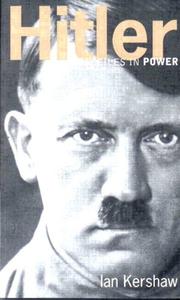 Hitler (Profiles in Power)Ian KershawA chilling, masterfully constructed autopsy of how a society's vulnerabilities can be exploited by a charismatic extremist.
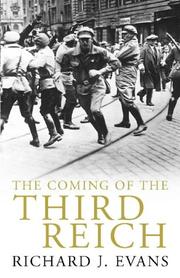 The coming of the Third ReichRichard J. EvansA masterful, dread-inducing autopsy of a democracy dismantling itself.
 The Last Days of HitlerHugh R. Trevor-RoperA claustrophobic, sharply observed descent into the surreal final hours of a collapsing totalitarian regime.
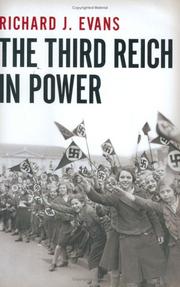 The Third Reich in power, 1933-1939Richard J EvansA monumental, dread-inducing masterclass in historical synthesis that meticulously charts a modern society's descent into totalitarian darkness.
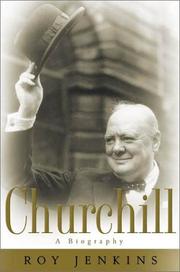 ChurchillRoy JenkinsA sweeping, insider's view of a monumental life, told with the wry authority of a fellow statesman.
 Mein KampfAdolf HitlerA dense, disturbing descent into the paranoid and fanatical mind that orchestrated one of history's greatest atrocities.