Books › How should we then live?

How should we then live?
the rise and decline of Western thought and culture
First published 1976 · 288 pages
A sweeping, urgent tour through Western history that diagnoses the modern crisis of meaning and points toward a resolute moral anchor.
What it feels like
Reading this book feels like standing on a high vantage point, watching the centuries of Western history unfold below. It is a steady, sobering journey through the rise and fall of philosophical eras, art movements, and cultural shifts. The narration is deeply earnest and intellectually urgent, acting as a guide through the fragmentation of modern thought. While the atmosphere is often heavy with the weight of cultural decay, it is ultimately anchored by a profound, resolute conviction. The prose is structured and accessible, distilling complex ideas into clear, sweeping arguments without losing the reader in academic jargon. It will deeply satisfy readers who crave a robust, historically grounded framework for understanding the modern world and their place within it.
- Mood
- sober
- contemplative
- sweeping
- resolute
- Tone
- earnest
- urgent
- authoritative
- didactic
- intellectual
- Pace
- steady
- Themes
- cultural decay · the search for truth · worldview formation · historical continuity · crisis of meaning
- The writing
- Accessible yet academic, synthesizing complex historical and philosophical movements into clear, structured arguments.
- The arc
- Moves from a sobering diagnosis of cultural fragmentation to an urgent, resolute call for spiritual and moral anchoring.
- Who it's for
- Christians seeking an intellectual foundation for their faith and readers fascinated by the intersection of Western history, art, and theology.
Content notes
- discussions of cultural decay
- philosophical nihilism
About the book
As one of the foremost evangelical thinkers of the twentieth century, Francis Schaeffer long pondered the fate of declining Western culture. In this brilliant book he analyzed the reasons for modern society's state of affairs and presented the only viable alternative: living by the Christian ethic, acceptance of God's revelation, and total affirmation of the Bible's morals, values, and meaning. - Publisher.
Description from Open Library.
Books like How should we then live?
See why they match The God who is thereFrancis A. SchaefferAn earnest, philosophical exploration of historic faith navigating the cultural and intellectual shifts of the twentieth century.
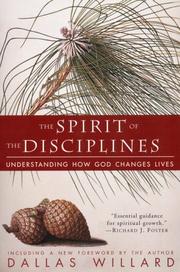 The Spirit of the DisciplinesDallas WillardA philosophically rich and deeply practical invitation to transform your inner life through intentional, embodied habits.
 Why the West Rules - For NowIan MorrisA sweeping, God's-eye view of human history that turns millennia of data into a gripping puzzle about geography, power, and our collective future.
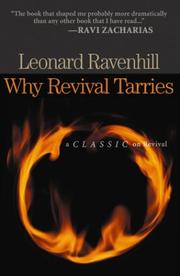 Why Revival TarriesLeonard RavenhillA fearless, prophetic wake-up call that challenges the modern church to reclaim its radical roots.
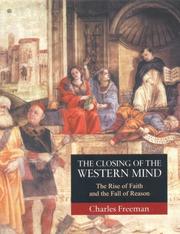 The Closing of the Western MindCharles FreemanA sweeping intellectual history that mourns the loss of classical inquiry to the rigid dogmas of early religious authority.
 The Cross of ChristJohn StottA deeply pastoral and intellectually rigorous exploration of how divine love meets human suffering at the center of the Christian faith.