Books › How To

How To
Absurd Scientific Advice for Common Real-World Problems
383 pages
A delightfully overcomplicated manual that uses extreme, apocalyptic physics to solve the most mundane of daily problems.
What it feels like
Reading this book feels like sitting down with a brilliant, slightly unhinged physicist who insists on answering your simplest questions with the most catastrophic solutions possible. The pace is brisk and highly modular, making it easy to devour in short, gleeful bursts. Its mood is relentlessly playful, wrapping complex scientific principles in a warm, deadpan delivery that never takes itself too seriously. You are constantly propelled from a mundane starting point like how to cross a river into a mind-bending exploration of thermodynamics or orbital mechanics. It is an intellectually stimulating playground that delights in the sheer absurdity of the universe, perfect for curious minds who love learning how things work by imagining how they might spectacularly fail.
- Mood
- playful
- intellectually stimulating
- lighthearted
- curious
- Tone
- deadpan
- enthusiastic
- wry
- inquisitive
- absurd
- Pace
- brisk
- Themes
- creative problem-solving · scientific curiosity · the joy of overcomplication · limits of physics · absurdity in the mundane
- The writing
- Conversational, highly accessible, and relentlessly deadpan, relying on clear explanations paired with expressive stick-figure diagrams.
- The arc
- Moves from mild curiosity about a mundane task to gleeful astonishment at the apocalyptic scientific extremes required to achieve it.
- Who it's for
- Curious tinkerers, science enthusiasts, and anyone who delights in taking a simple premise to its most ridiculous logical conclusion.
Content notes
- hypothetical catastrophic events
About the book
For any task you might want to do, there's a right way, a wrong way, and a way so monumentally complex, excessive, and inadvisable that no one would ever try it. How To is a guide to the third kind of approach. It's full of highly impractical advice for everything from landing a plane to digging a hole.
Bestselling author and cartoonist Randall Munroe explains how to predict the weather by analyzing the pixels of your Facebook photos. He teaches you how to tell if you're a baby boomer or a 90's kid by measuring the radioactivity of your teeth. He offers tips for taking a selfie with a telescope, crossing a river by boiling it, and powering your house by destroying the fabric of space-time. And if you want to get rid of the book once you're done with it, he walks you through your options for proper disposal, including dissolving it in the ocean, converting it to a vapor, using tectonic plates to subduct it into the Earth's mantle, or launching it into the Sun.
By exploring the most complicated ways to do simple tasks, Munroe doesn't just make things difficult for himself and his readers. As he did so brilliantly in What If?, Munroe invites us to explore the most absurd reaches of the possible. Full of clever infographics and fun illustrations, How To is a delightfully mind-bending way to better understand the science and technology underlying the things we do every day.
Description from Open Library.
Books like How To
See why they match What If?Randall MunroeA delightful exercise in taking the most ridiculous questions imaginable and answering them with rigorous, cheerfully apocalyptic science.
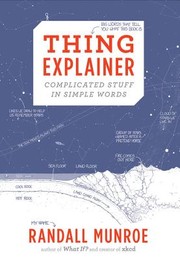 Thing ExplainerRandall MunroeA delightfully constrained, blueprint-filled journey that strips away jargon to reveal the simple mechanics of the world.
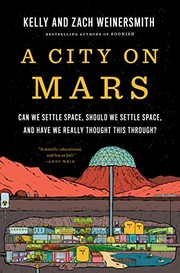 A City on MarsKelly Weinersmith and Zach WeinersmithA hilarious, reality-checking splash of cold water on the sci-fi dream of escaping Earth's problems.
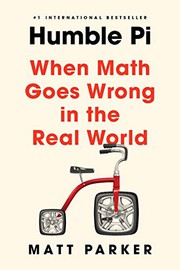 Humble PiMatt ParkerA hilarious, eye-opening tour through the catastrophic and comical consequences of getting the math wrong.
 SoonishKelly WeinersmithA hilarious, comic-studded joyride through the weird, wild, and highly improbable technologies of tomorrow.
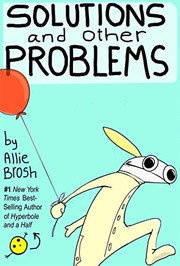 Solutions and Other ProblemsAllie BroshA hilarious and gut-wrenching exploration of life's darkest moments, told through crude drawings and devastatingly sharp observations.