Books › How to read the Bible for all its worth

How to read the Bible for all its worth
First published 1982 · 409 pages
A welcoming, practical toolkit that transforms a daunting ancient library into an accessible, living text.
What it feels like
Reading this book feels like sitting down with two brilliant but deeply approachable professors who genuinely want you to succeed. The pace is steady and deliberate, guiding you through the complexities of ancient literary genres with an encouraging, practical tone. It strips away the intimidation factor of biblical hermeneutics, replacing confusion with a grounded, illuminating mood. The prose is remarkably clear, translating high-level scholarly concepts into everyday language without losing their profound weight. It is an empowering experience, shifting the reader from feeling overwhelmed by a massive, ancient text to feeling equipped and confident. This is the perfect companion for curious laypeople, small group leaders, or anyone seeking to bridge the gap between ancient contexts and modern spiritual application.
- Mood
- illuminating
- grounded
- contemplative
- structured
- Tone
- earnest
- encouraging
- instructive
- accessible
- practical
- Pace
- steady
- Themes
- historical context · literary genres · spiritual growth · demystifying ancient texts · faithful interpretation
- The writing
- Clear, straightforward, and conversational, avoiding overly dense academic jargon while maintaining scholarly rigor.
- The arc
- Moves from feeling overwhelmed by a complex ancient text to feeling equipped, confident, and spiritually enriched.
- Who it's for
- Curious laypeople, small group leaders, and beginning students who want to deepen their biblical literacy without getting bogged down in academic theology.
About the book
Understanding the Bible isn't for the few, the gifted, the scholarly. The Bible is accessible. It's meant to be read and comprehended by everyone from armchair readers to seminary students. A few essential insights into the Bible can clear up a lot of misconceptions and help you grasp the meaning of Scripture and its application to your twenty-first-century life. Nearly a million people have turned to How to Read the Bible for All Its Worth to inform their reading of the Bible. This fourth edition features revisions that keep pace with current scholarship, resources, and culture. Changes include: Updated language for better readability; Scripture references now appear only in brackets at the end of a sentence or paragraph, helping you read the Bible as you would any book -- without the numbers; A new author's preface; Redesigned and updated diagrams; Updated list of recommended commentaries and resources. Covering everything from translation concerns to different genres of biblical writing, How to Read the Bible for All Its Worth is used all around the world. In clear, simple language, it helps you accurately understand the different parts of the Bible -- their meaning for ancient audiences and their implications for you today -- so you can uncover the inexhaustible worth that is in God's Word. - Back cover.
Description from Open Library.
Books like How to read the Bible for all its worth
See why they match Willmington's Guide to the BibleH. L. WillmingtonA structured, comprehensive roadmap that transforms the vastness of scripture into an accessible, navigable landscape.
 Exegetical fallaciesD. A. CarsonA rigorous, cautionary guide that sharpens the mind by illuminating the most common pitfalls in biblical interpretation.
 Systematic TheologyWayne GrudemA massive, methodical, yet surprisingly warm exploration of faith that bridges the gap between the seminary classroom and the devotional prayer closet.
 Preaching the Whole Bible As Christian ScriptureGraeme GoldsworthyA clear, methodical handbook that equips readers to find and preach Christ-centered messages across all types of biblical literature.
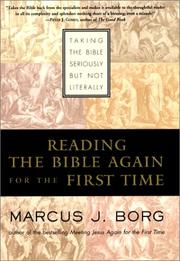 Reading the Bible Again For the First TimeMarcus J. BorgA gentle, intellectually rigorous invitation to rediscover sacred texts through the lens of metaphor and historical context rather than rigid literalism.
 The New TestamentHarris, Stephen L.A clear-eyed, scholarly journey into the historical and cultural origins of early Christian texts.