Books › How we got to now

How we got to now
293 pages
A thrilling intellectual treasure hunt that reveals the invisible threads connecting a glass of clean water to the invention of the microchip.
What it feels like
Reading this book feels like putting on a pair of glasses that suddenly brings the invisible machinery of the modern world into sharp focus. It moves at a brisk, enthusiastic clip, pulling you down fascinating historical rabbit holes where the invention of the pendulum clock somehow leads to the industrial revolution. The mood is relentlessly optimistic and intellectually expansive, wrapping the reader in a comforting sense of wonder about human ingenuity. Johnson's prose is conversational and bright, transforming dry historical timelines into a series of interconnected, character-driven mysteries. It is a deeply satisfying experience for anyone who loves connecting the dots, leaving you looking at the mundane objects in your own home with a lingering sense of awe.
- Mood
- intellectually stimulating
- optimistic
- expansive
- awe-inspiring
- Tone
- enthusiastic
- curious
- accessible
- informative
- Pace
- brisk
- Themes
- interconnectedness of ideas · unintended consequences · collaborative innovation · hidden history of the everyday · human ingenuity
- The writing
- Conversational and narrative-driven, effortlessly weaving dense historical facts into highly readable, character-rich anecdotes.
- The arc
- Begins with simple curiosity about everyday objects and expands into a profound, dizzying awe at the complex web of human progress.
- Who it's for
- Inquisitive readers who crave 'aha!' moments and love discovering the secret, interconnected histories behind the mundane.
About the book
"From the New York Times-bestselling author of Where Good Ideas Come From and Everything Bad Is Good for You, a new look at the power and legacy of great ideas. In this illustrated volume, Steven Johnson explores the history of innovation over centuries, tracing facets of modern life (refrigeration, clocks, and eyeglass lenses, to name a few) from their creation by hobbyists, amateurs, and entrepreneurs to their unintended historical consequences. Filled with surprising stories of accidental genius and brilliant mistakes-from the French publisher who invented the phonograph before Edison but forgot to include playback, to the Hollywood movie star who helped invent the technology behind Wi-Fi and Bluetooth-How We Got to Now investigates the secret history behind the everyday objects of contemporary life. In his trademark style, Johnson examines unexpected connections between seemingly unrelated fields: how the invention of air-conditioning enabled the largest migration of human beings in the history of the species-to cities such as Dubai or Phoenix, which would otherwise be virtually uninhabitable; how pendulum clocks helped trigger the industrial revolution; and how clean water made it possible to manufacture computer chips. Accompanied by a major six-part television series on PBS, How We Got to Now is the story of collaborative networks building the modern world, written in the provocative, informative, and engaging style that has earned Johnson fans around the globe. "--
Description from Open Library.
Books like How we got to now
See why they match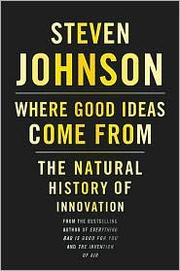 Where good ideas come fromSteven JohnsonAn illuminating, cross-disciplinary journey that reveals how collaboration, serendipity, and shared spaces spark human progress.
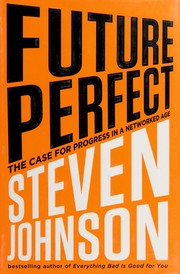 Future perfectSteven JohnsonAn optimistic, intellectually stimulating exploration of how networked thinking can solve society's most gridlocked problems.
 How the World Really WorksVaclav SmilA bracing, data-drenched cold plunge into the physical realities and hidden infrastructures that keep modern civilization running.
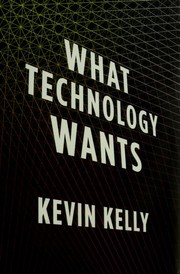 What technology wantsKevin KellyA sweeping, optimistic reframing of technology as a living, evolving force deeply intertwined with human destiny.
 The World Is Flat -A Brief History OF THE TWENTY-FIRST CENTURYThomas L. FriedmanA sweeping, anecdote-driven tour of a rapidly shrinking globe that leaves you feeling both awestruck and urgently compelled to keep pace.
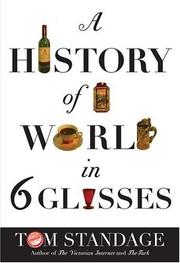 A history of the world in 6 glassesTom StandageA lively, conversational journey through human history that reveals how our favorite beverages shaped the modern world.