Books › How we know what isn't so
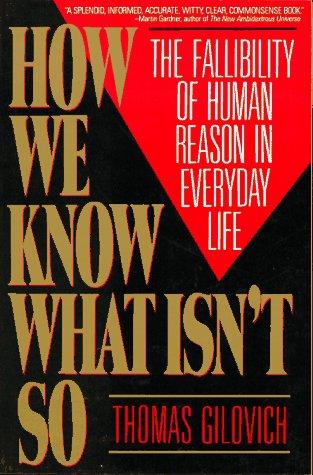
How we know what isn't so
224 pages
A clarifying exploration of human fallibility that dismantles the comforting illusions of false belief.
What it feels like
Reading this book feels like putting on a pair of corrective lenses for the mind. It offers a steady, clarifying journey through the hidden mechanics of human reasoning, methodically untangling the psychological processes that lead us to embrace questionable beliefs. The atmosphere is deeply intellectual and grounded, replacing the hazy comfort of New Age assumptions and supposed special powers with the sharp, satisfying edge of critical thinking. The prose is clear and evidence-based, guiding the reader through the fascinating landscape of cognitive error without judgment. It is an experience that ultimately humbles the reader, stripping away the illusion of certainty to reveal the fragile, fascinating ways we construct our reality, delighting anyone who loves to question their own mind.
- Mood
- intellectual
- clarifying
- grounded
- Tone
- analytical
- rational
- objective
- inquisitive
- Pace
- steady
- Themes
- cognitive bias · human fallibility · the mechanics of belief · critical thinking · the illusion of certainty
- The writing
- Methodical and clear, prioritizing evidence and logical progression over rhetorical flourish.
- The arc
- Moves from a comfortable acceptance of everyday assumptions to a sharpened, humbled awareness of the mind's susceptibility to error.
- Who it's for
- Curious skeptics and armchair psychologists who find deep satisfaction in understanding why people believe the things they do.
About the book
Discusses the processes through which we become convinced of the validity of questionable or false beliefs such as special psychological powers and New Age health practices.
Description from Open Library.
Books like How we know what isn't so
See why they match You are Not So SmartDavid McraneyA playful, humbling tour through the many ways your brain tricks you into thinking you're a rational human being.
 The art of thinking clearlyRolf DobelliA brisk, humbling, and ultimately empowering field guide to outsmarting your own irrational brain.
 How Doctors ThinkJerome E. GroopmanA deeply humanizing look behind the white coat that transforms how you experience the doctor's office.
 Scout MindsetJulia GalefA refreshing, clear-eyed guide to dropping your intellectual defenses and learning to see the world as it actually is.
 Don't Believe Everything You ThinkThomas E. KidaA clarifying plunge into the quirks of human cognition that will forever change how you trust your own mind.
 The misinformation ageCailin O'ConnorAn analytical deep dive into the social machinery that allows false beliefs to thrive in the modern world.