Books › HTML

HTML
a beginner's guide
569 pages
A supportive, structured journey that transforms the intimidating language of the web into an accessible toolkit for creation.
What it feels like
Reading this guide feels like sitting down with a patient, knowledgeable mentor who is determined to demystify the digital world for you. The pace is entirely steady, built around logical modules that encourage you to pause, practice, and absorb before moving forward. There is no dense, intimidating jargon here; instead, the prose is remarkably clear, accessible, and focused on immediate, practical application. The mood is one of quiet productivity and growing empowerment, replacing the initial dread of learning to code with the satisfying click of understanding how the web actually works. It is the perfect companion for absolute beginners who crave structure, clear milestones, and the quiet thrill of building something functional from scratch.
- Mood
- focused
- productive
- demystifying
- Tone
- encouraging
- instructive
- clear
- accessible
- practical
- Pace
- steady
- Themes
- skill acquisition · digital empowerment · building from scratch · problem solving
- The writing
- Direct, jargon-free, and highly structured, prioritizing clarity and actionable instruction over stylistic flourish.
- The arc
- Moves from initial apprehension of the unknown to a satisfying sense of technical competence and creative control.
- Who it's for
- Absolute beginners and aspiring web creators who want a supportive, step-by-step approach to learning code without feeling overwhelmed.
About the book
Essential Skills—Made Easy!Peel back the Web’s opulent exterior and see how HTML makes it all look so great. Author Wendy Willard will help you understand HTML with clear lessons delivered in a proven learning system. In dedicated modules that act as stand-alone lessons, you’ll discover how to structure a page, place images, size text, create links, generate Web-safe colors, work with multimedia, and more. Plus—by learning to link to other Web pages and email addresses, create Web graphics and multimedia, incorporate JavaScript, and utilize frames and forms, you’ll be ready to tackle most Web development projects on a functional level.Designed for Easy Learning:Modules—Each concept is divided into logically organized modules (chapters), ideal for self-paced learning Critical Skills—Each module opens with the specific skills covered in the module Mastery Checks—End-of-module reviews test knowledge using short-answer, multiple-choice, and fill-in-the-blank questions Ask the Experts—Q&A sections throughout are filled with bonus information and helpful tips Progress Checks—Quick self-assessment sections check your progress Projects—Practical exercises show how to apply the critical skills learned in each module Annotated Syntax—Example code annotated with commentary describes the programming techniques being illustrated
Description from Open Library.
Books like HTML
See why they match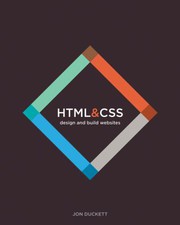 HTML & CSSJon DuckettA beautifully designed, highly visual gateway into web development that feels more like an art book than a technical manual.
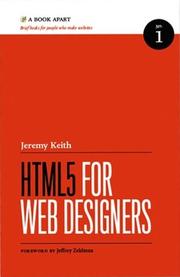 HTML5 For Web DesignersJeremy KeithA breezy, charmingly pragmatic guide that turns a daunting technical specification into an afternoon of lightbulb moments.
 Don't Make Me ThinkSteve KrugA breezy, common-sense masterclass in how to stop frustrating the people who use your creations.
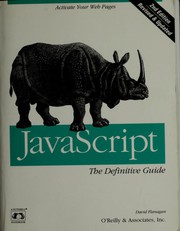 JavaScriptDavid FlanaganA massive, authoritative tome that transforms the chaos of web scripting into a structured, masterable discipline.
 JavaScript Basics for BeginnersAndy VicklerA patient, no-nonsense guide that transforms the intimidating world of code into a series of manageable, logical steps.
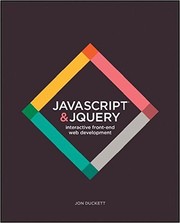 JavaScript and jQueryJon DuckettA visually stunning, magazine-style approach to programming that replaces intimidation with aesthetic clarity and creative empowerment.