Books › I Contain Multitudes
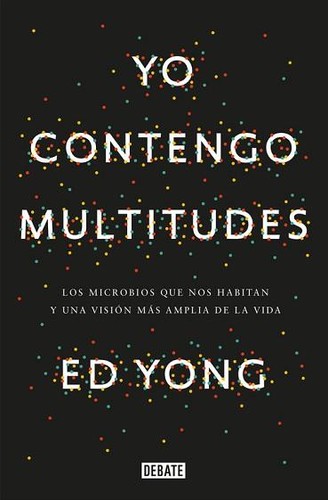
I Contain Multitudes
426 pages
A joyous, mind-bending plunge into the invisible ecosystems that secretly run our bodies and our world.
What it feels like
Reading this book feels like putting on a pair of magic glasses that suddenly reveals a bustling, invisible universe layered over the mundane world. The pacing is brisk and conversational, carried by a narrator who is as endlessly enthusiastic as he is witty. It is a deeply illuminating experience, replacing the dread of 'germs' with a profound sense of awe at the intricate, cooperative ecosystems that make up our bodies and our planet. The prose is sparkling and accessible, relying on brilliant metaphors rather than dense jargon to explain complex biology. It is perfect for the endlessly curious reader who delights in narrative science that fundamentally rewrites their understanding of what it means to be an individual.
- Mood
- mind-expanding
- wondrous
- illuminating
- curious
- Tone
- enthusiastic
- witty
- accessible
- awe-struck
- Pace
- brisk
- Themes
- the illusion of individuality · hidden ecosystems · interconnectedness of life · symbiosis and cooperation
- The writing
- Vibrant and conversational, utilizing brilliant, memorable metaphors to translate dense scientific concepts into joyful storytelling.
- The arc
- Begins with a dismantling of our basic assumptions about biology and builds toward a profound, awe-struck appreciation for the interconnectedness of all life.
- Who it's for
- Curious nonfiction lovers who want their perspective of the natural world fundamentally and delightfully shifted.
Content notes
- discussions of disease and illness
- animal experimentation
About the book
Joining the ranks of popular science classics like The Botany of Desire and The Selfish Gene, a groundbreaking, wondrously informative, and vastly entertaining examination of the most significant revolution in biology since Darwin—a “microbe’s-eye view” of the world that reveals a marvelous, radically reconceived picture of life on earth.
Every animal, whether human, squid, or wasp, is home to millions of bacteria and other microbes. Ed Yong, whose humor is as evident as his erudition, prompts us to look at ourselves and our animal companions in a new light—less as individuals and more as the interconnected, interdependent multitudes we assuredly are.
The microbes in our bodies are part of our immune systems and protect us from disease. In the deep oceans, mysterious creatures without mouths or guts depend on microbes for all their energy. Bacteria provide squid with invisibility cloaks, help beetles to bring down forests, and allow worms to cause diseases that afflict millions of people.
Many people think of microbes as germs to be eradicated, but those that live with us—the microbiome—build our bodies, protect our health, shape our identities, and grant us incredible abilities. In this astonishing book, Ed Yong takes us on a grand tour through our microbial partners, and introduces us to the scientists on the front lines of discovery. It will change both our view of nature and our sense of where we belong in it.
Description from Open Library.
Books like I Contain Multitudes
See why they match The BodyBill BrysonA witty, awe-inspiring guided tour through the miraculous, squishy, and often bizarre machinery of your own existence.
 A planet of virusesCarl ZimmerA mind-expanding journey into the microscopic forces that shape our DNA, our environment, and our ultimate fate.
 ImmunePhilipp DettmerAn epic, microscopic battlefield narrative that transforms the daunting science of the human body into a thrilling and accessible adventure.
 GutGiulia EndersA delightfully quirky and surprisingly affectionate tour through the body's most underappreciated and misunderstood organ system.
 Entangled LifeMerlin SheldrakeA mind-expanding, earthy exploration that completely rewires how you perceive the natural world and your place within it.
 The tangled treeDavid QuammenA mind-expanding journey into the messy, interconnected web of life that rewrites everything you thought you knew about evolution.