Books › Ideas
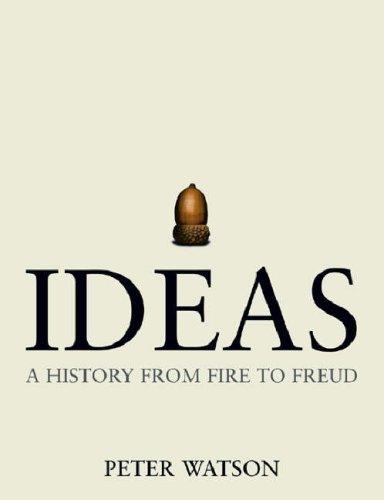
Ideas
First published 2005 · 848 pages
A sweeping, panoramic journey through the evolution of human thought that leaves the reader feeling intellectually expanded and deeply connected to the past.
What it feels like
Reading this massive, ambitious tome feels like standing on a mountaintop watching the entire landscape of human history unfold, not through wars and borders, but through the quiet, seismic shifts of human thought. The pace is steady and deliberate, requiring a reader willing to settle in for a long, deeply rewarding intellectual marathon. The prose is authoritative yet accessible, weaving together philosophy, science, art, and religion into a single, cohesive tapestry. It creates an expansive, contemplative mood, sparking constant aha moments as disparate historical dots suddenly connect. This is a book for the ultimate autodidact, the curious mind who delights in understanding how the invention of the wheel, the concept of the soul, and the birth of capitalism are all threads in the same grand human story.
- Mood
- intellectually stimulating
- expansive
- contemplative
- awe-inspiring
- Tone
- erudite
- authoritative
- sweeping
- ambitious
- objective
- Pace
- steady
- Themes
- evolution of human consciousness · interconnectedness of knowledge · the search for meaning · cultural cross-pollination · power of innovation
- The writing
- Clear, commanding, and densely packed with information, designed to guide the reader steadily through millennia of complex concepts.
- The arc
- Begins with the primal spark of early human curiosity and expands into a profound, humbling awe at the sheer complexity of modern thought.
- Who it's for
- Autodidacts and armchair historians who crave massive, synthesizing overviews of human civilization and love connecting disparate intellectual dots.
Content notes
- historical violence
- religious sacrifice
- colonialism
About the book
In this hugely ambitious and stimulating book, Peter Watson describes the history of ideas, from deep antiquity to the present day, leading to a new way of understanding our world and ourselves.The narrative begins nearly two million years ago with the invention of hand-axes and explores how some of our most cherished notions might have originated before humans had language. Then, in a broad sweep, the book moves forward to consider not the battles and treaties of kings and prime ministers, emperors and generals, but the most important ideas we have evolved, by which we live and which separate us from other animals. Watson explores the first languages and the first words, the birth of the gods, the origins of art, the profound intellectual consequences of money. He describes the invention of writing, early ideas about law, why sacrifice and the soul have proved so enduring in religion. He explains how ideas about time evolved, how numbers were conceived, how science, medicine, sociology, economics, and capitalism came into being. He shows how the discovery of the New World changed forever the way that we think, and why Chinese creativity faded after the Middle Ages.In the course of this commanding narrative, Watson reveals the linkages down the ages in the ideas of many apparently disparate philosophers, astronomers, religious leaders, biologists, inventors, poets, jurists, and scores of others. Aristotle jostles with Aquinas, Ptolemy with Photius, Kalidasa with Zhu Xi, Beethoven with Strindberg, Jefferson with Freud. Ideas is a seminal work.
Description from Open Library.
Books like Ideas
See why they match The Greatest Minds and Ideas of All TimeWill DurantA pocket-sized passport to the greatest intellectual achievements of human history, delivered with infectious optimism.
 Big HistoryCynthia Stokes BrownA sweeping, interdisciplinary journey that shrinks the cosmos into an accessible mosaic of deep time and human ecology.
 The Modern MindPeter WatsonA sweeping, reflective journey through the intellectual currents and philosophical surprises that shaped the twentieth century.
 Why the West Rules - For NowIan MorrisA sweeping, God's-eye view of human history that turns millennia of data into a gripping puzzle about geography, power, and our collective future.
 The Silk RoadsPeter FrankopanA sweeping, panoramic journey that recenters the globe and fundamentally shifts how you view the history of human civilization.
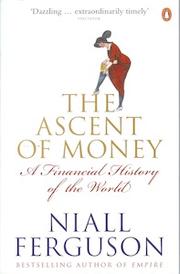 The ascent of moneyNiall FergusonAn expansive, eye-opening journey that reveals the invisible financial scaffolding holding up human history.