Books › Il nome della rosa
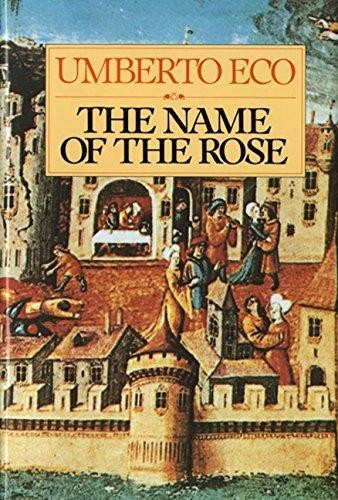
Il nome della rosa
First published 2003 · 792 pages
A dense, shadowy labyrinth of a novel where theology, murder, and the dangerous power of hidden books collide in a freezing medieval abbey.
What it feels like
Reading this book feels like wandering through a freezing, candlelit labyrinth where every shadow hides a philosophical trap. It is a deeply immersive, unapologetically dense experience that demands patience, rewarding the reader with a rich tapestry of medieval theology, semiotics, and historical intrigue. The atmosphere is heavy with the scent of old parchment, damp stone, and creeping dread. While a murder mystery serves as the engine, the true joy lies in the meandering, erudite digressions that explore the dangerous power of knowledge and the clash between reason and fanaticism. It is a cold, brilliant, and claustrophobic journey designed for readers who love to lose themselves in complex intellectual puzzles and the intoxicating, dangerous allure of forbidden books.
- Mood
- claustrophobic
- shadowy
- intellectual
- labyrinthine
- chilly
- Tone
- erudite
- philosophical
- wry
- didactic
- solemn
- Pace
- leisurely
- Themes
- the power of hidden knowledge · reason versus fanaticism · the labyrinth of truth · the preservation of history · the danger of absolute certainty
- The writing
- Dense, labyrinthine, and unapologetically erudite, filled with historical digressions, theological debates, and rich medieval textures.
- The arc
- Begins with curious intellectual detachment and descends into a frantic, melancholic confrontation with the destructive nature of fanaticism.
- Who it's for
- Readers who relish slow-burn intellectual puzzles and do not mind pausing a murder mystery to read a fifty-page debate on medieval theology.
Content notes
- murder
- religious persecution
- torture
- suicide
- heresy and execution
About the book
It is the year 1327. Franciscans in an Italian abbey are suspected of heresy, but Brother William of Baskerville’s investigation is suddenly overshadowed by seven bizarre deaths.
Ultima settimana del novembre 1327. Il novizio Adso da Melk accompagna in un'abbazia dell'alta Italia frate Guglielmo da Baskerville, incaricato di una sottile e imprecisa missione diplomatica. Ex inquisitore, amico di Guglielmo di Occam e di Marsilio da Padova, frate Guglielmo si trova a dover dipanare una serie di misteriosi delitti (sette in sette giorni, perpetrati nel chiuso della cinta abbaziale) che insanguinano una biblioteca labirintica e inaccessibile. Per risolvere il caso, Guglielmo dovrà decifrare indizi di ogni genere, dal comportamento dei santi a quello degli eretici, dalle scritture negromantiche al linguaggio delle erbe, da manoscritti in lingue ignote alle mosse diplomatiche degli uomini di potere. La soluzione arriverà, forse troppo tardi, in termini di giorni, forse troppo presto, in termini di secoli. La copertina dell'articolo può variare.
Description from Open Library.
Books like Il nome della rosa
See why they match Il cimitero di PragaUmberto EcoA labyrinthine, cynical descent into the shadowy origins of Europe's most dangerous historical conspiracies.
 The devil’s noviceEllis PetersStep into a cloistered medieval world where herbal lore, quiet wisdom, and the shadows of a brutal civil war converge around a tormented young soul.
 BaudolinoUmberto EcoA labyrinthine, wildly inventive romp through medieval history where lies become truth and myths shape reality.
 To each his ownLeonardo SciasciaA sun-baked, cynical unraveling of a mystery where knowing the truth is the most dangerous thing of all.
 Ex-librisRoss KingA shadowy historical mystery where the quiet world of antiquarian bookselling collides with sudden, deadly peril.
 A Morbid Taste for BonesEllis PetersAn earthy, atmospheric medieval mystery where worldly wisdom and quiet compassion untangle deadly human follies.