Books › Illuminatus!

Illuminatus!
The Eye in the Pyramid
398 pages
A manic, mind-bending plunge into the ultimate conspiracy theory where chaos is the only truth.
What it feels like
Reading this book feels like being strapped into a roller coaster designed by a paranoid philosopher and a counterculture trickster. It is a gloriously chaotic, mind-bending experience that deliberately disorients you with shifting perspectives, nonlinear timelines, and a relentless barrage of conspiracy theories. The mood is hallucinatory and deeply subversive, wrapping dense philosophical inquiries about chaos, order, and the nature of truth in the lurid trappings of pulp science fiction. The prose is a manic collage, demanding that you surrender to its frenetic rhythm rather than try to map its logic. It is a perfect trip for readers who delight in postmodern absurdity, cognitive dissonance, and the joyful dismantling of reality itself.
- Mood
- trippy
- hallucinatory
- chaotic
- mind-bending
- Tone
- satirical
- irreverent
- paranoid
- absurd
- subversive
- Pace
- propulsive
- Themes
- chaos versus order · the nature of truth · manufactured paranoia · countercultural rebellion · cognitive dissonance
- The writing
- A dense, nonlinear collage of shifting perspectives, pulp tropes, and philosophical tangents that deliberately disorients the reader.
- The arc
- Begins in bewildered curiosity and spirals into a state of joyful, paranoid enlightenment.
- Who it's for
- Fans of postmodern trickster literature who enjoy having their reality playfully dismantled by conspiracy and satire.
Content notes
- drug use
- sexual content
- violence
- profanity
About the book
The Illuminatus! Trilogy is a series of three novels by American writers Robert Shea and Robert Anton Wilson, first published in 1975.[1] The trilogy is a satirical, postmodern, science fiction-influenced adventure story; a drug-, sex-, and magic-laden trek through a number of conspiracy theories, both historical and imaginary, related to the authors' version of the Illuminati. The narrative often switches between third- and first-person perspectives in a nonlinear narrative. It is thematically dense, covering topics like counterculture, numerology, and Discordianism.
The trilogy comprises three parts which contain five books and appendices: The Eye in the Pyramid (first two books), The Golden Apple (third and part of fourth book), Leviathan (part of fourth and all of fifth book, and the appendices). The parts were first published as three separate volumes starting in September 1975. In 1984 they were published as an omnibus edition and are now more commonly reprinted in the latter form.
In 1986 the trilogy won the Prometheus Hall of Fame Award, designed to honor libertarian science fiction.[2]
The authors went on to write several works, both fiction and nonfiction, that dealt further with the themes of the trilogy, but they did not write any direct sequels.
Illuminatus! has been adapted for the stage, as an audio book and has influenced several modern writers, artists, musicians, and games-makers. The popularity of the word "fnord" and the 23 enigma can both be attributed to the trilogy.
Description from Open Library.
Books like Illuminatus!
See why they match The Illuminatus! TrilogyRobert SheaA psychedelic, paranoid rollercoaster ride through every conspiracy theory ever conceived, wrapped in a subversive countercultural manifesto.
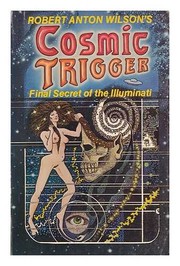 Cosmic TriggerRobert Anton WilsonA psychedelic, autobiographical plunge into the deep end of conspiracy, consciousness, and the malleable nature of reality itself.
 Prometheus RisingRobert Anton WilsonA playful, mind-expanding operating manual for hacking your own consciousness and breaking free from consensus reality.
 The three stigmata of Palmer EldritchPhilip K. DickA paranoid, hallucinatory descent into a corporate-controlled future where reality itself is a commodified, inescapable trap.
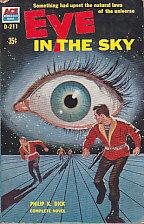 Eye in the skyDick Philip K.A surreal and satirical plunge into the terrifying, solipsistic universes born from our deepest prejudices and fears.
 Radio Free AlbemuthPhilip K. DickA paranoid, hallucinatory descent into an alternate America where political fascism meets cosmic revelation.