Books › Impro

Impro
First published 1979 · 208 pages
A playful, subversive masterclass in unlearning your social conditioning to unlock raw, spontaneous creativity.
What it feels like
Reading this book feels less like studying a textbook and more like sitting in a dusty, electric rehearsal room with a brilliant, slightly eccentric mentor. It moves at a brisk, conversational pace, blending practical acting exercises with profound, often subversive observations about human nature. The atmosphere is deeply energizing and intellectually playful, stripping away the polite, self-censoring habits we acquire in adulthood. You will find yourself constantly looking up from the page to analyze the hidden status transactions in your own daily conversations. The prose is direct, anecdotal, and refreshingly unpretentious. It is an absolute delight for actors, writers, and anyone who wants to dismantle their creative blocks and rediscover the terrifying, exhilarating freedom of pure spontaneity.
- Mood
- energizing
- intellectually stimulating
- subversive
- Tone
- conversational
- provocative
- playful
- insightful
- Pace
- brisk
- Themes
- unlocking creativity · social conditioning · human interaction and status · overcoming self-censorship · the power of spontaneity
- The writing
- Direct, anecdotal, and refreshingly unpretentious, blending practical instruction with philosophical musings.
- The arc
- The reader moves from a state of self-conscious restriction to a liberating, joyful embrace of their own spontaneous potential.
- Who it's for
- Creatives, performers, and observers of human nature who want to dismantle their mental blocks and understand the unspoken rules of social interaction.
About the book
Keith Johnstone's involvement with the theatre began when George Devine and Tony Richardson, artistic directors of the Royal Court Theatre, commissioned a play from him. This was in 1956. A few years later he was himself Associate Artistic Director, working as a play-reader and director, in particular helping to run the Writers' Group. The improvisatory techniques and exercises evolved there to foster spontaneity and narrative skills were developed further in the actors' studio then in demonstrations to schools and colleges and ultimately in the founding of a company of performers, called The.
Description from Open Library.
Books like Impro
See why they match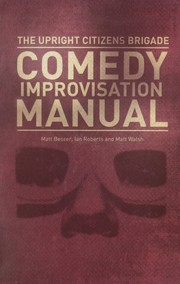 The Upright Citizens Brigade Comedy Improvisation ManualMatt Walsh and Ian RobertsA rigorous, energetic masterclass that treats the chaotic magic of comedy as a learnable, collaborative science.
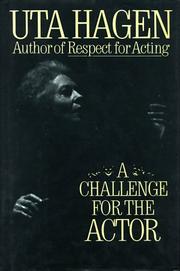 A challenge for the actorUta HagenA masterclass in a book that demands your full intellectual and emotional presence to unlock the truth of human behavior.
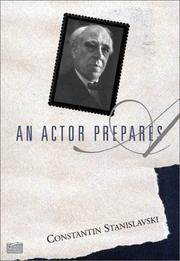 An Actor PreparesConstantin StanislavskiA masterclass in human psychology disguised as a student's diary, inviting you to strip away artifice and find the truth in performance.
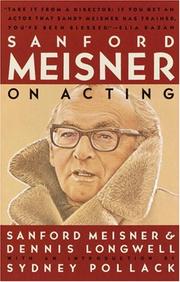 Sanford Meisner on actingSanford MeisnerA front-row seat in a legendary masterclass that strips away artifice to reveal the raw, beating heart of authentic human behavior.
 AuditionMichael ShurtleffA tough-love masterclass that demystifies the art of performance and the psychology of human connection.
 The actor's art and craftWilliam Esper and Damon DimarcoStep inside the classroom of a master acting teacher and discover how rigorous discipline unlocks profound creative freedom.